
Last updated November 18, 2026
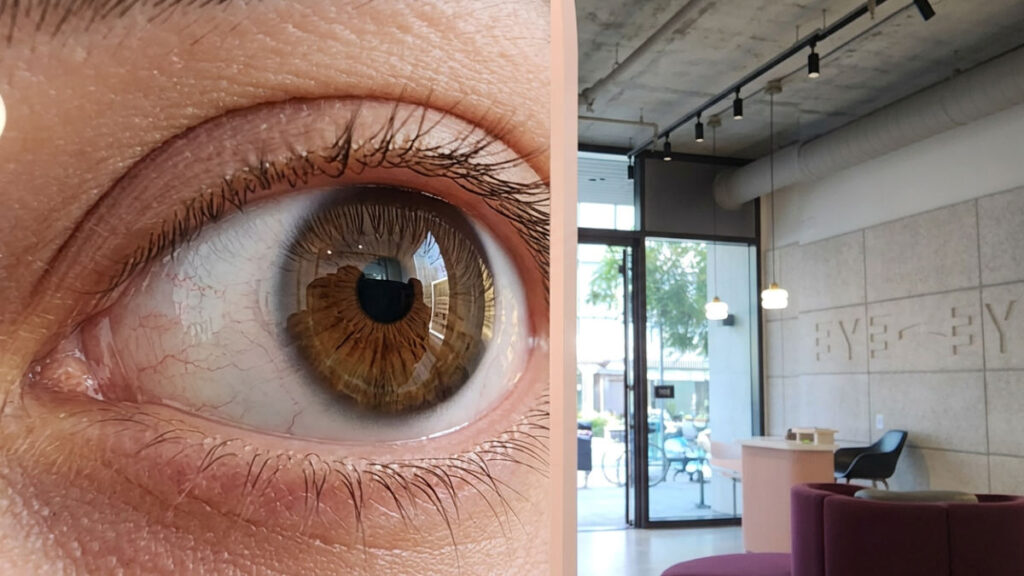
The sclera of eye is the dense, fibrous outer coating of the eyeball, commonly known as the white of the eye. It provides structural integrity, protects delicate internal parts like the retina, and serves as the attachment point for the extraocular muscles that allow your eyes to move in various directions. This tough layer is made primarily of collagen, which gives the eye its strength and opaque white appearance.
Table of contents
- Key takeaways
- Prerequisites for Eye Health Assessment
- 1. Monitor the color of your sclera
- 2. Common Mistakes and What to Avoid
- 3. Protect the ocular surface from environmental stress
- 4. Schedule a medical eye exam in San Diego
- Understanding Scleral Anatomy and Function
- When to Seek Professional Eye Care in San Diego
- Frequently asked questions
Key takeaways
- Structural Foundation. The sclera is made of collagen and covers the vast majority of the eye’s total surface area.
- Muscle Anchor. Six extraocular muscles anchor to the sclera to coordinate precise eye movement and tracking.
- Systemic Indicator. Changes in scleral color may sometimes be associated with underlying systemic health issues.
- Climate Sensitivity. San Diego’s dry climate can lead to inflammation of the conjunctiva, the clear tissue resting over the sclera.
- Urgent Symptoms. Scleritis is a serious medical condition involving deep inflammation that requires immediate professional attention.
Prerequisites for Eye Health Assessment
Assessing the health of your sclera starts with a basic visual check in a well-lit environment. Natural lighting is best. Artificial yellow or fluorescent bulbs can distort the appearance of the tissue. Use a clean mirror. A high-resolution camera also works for self-monitoring to capture any new spots or vascular changes.
Visual checks take seconds. A professional assessment in Bankers Hill takes more time. At EYE EYE, we use specialized equipment to view the deeper layers of the eye. Costs vary based on your insurance and how many complex diagnostic tools we need during the visit.
1. Monitor the color of your sclera
Checking the color of your eyes daily is a simple way to stay ahead of potential health changes. This tissue is continuous with the transparent cornea at the front of the globe.
Medical Warning: Deep discoloration accompanied by a dull ache can be a symptom of scleritis, which requires urgent medical evaluation to support the maintenance of vision.
Look at the whites every morning. Watch for jaundice (yellowing) or localized redness. A yellow tint can sometimes signal liver or gallbladder dysfunction. In some cases, a blue or greyish tint may relate to collagen thinning. When you perform this check, distinguish between a superficial red spot on the sclera and deep, purple-hued inflammation. Scleritis feels like a dull, boring ache.
Consistency matters. Use the same lamp or window every time so you do not mistake shadows for actual discoloration. If you notice a new yellowish bump near the inner corner, you might be seeing a pinguecula. These are common deposits often associated with sun or wind. A generalized yellowing of the entire white area is different. That requires a much more serious medical conversation.
2. Common Mistakes and What to Avoid
Many patients unknowingly irritate their eyes with bad products or by ignoring the environment. Stop using "get the red out" eye drops. These often contain vasoconstrictors (chemicals that shrink blood vessels) that cause rebound redness. They make the sclera look more inflamed over time. I always tell my patients to seek relief for dry eyes through preservative-free artificial tears instead. These support your natural tear film without the chemicals.
Do not skip UV protection. San Diego is bright. Chronic sunlight exposure can lead to yellowing or thickening of the tissue, such as a pinguecula or pterygium. Wear sunglasses with 100% UV protection. Finally, do not ignore deep, boring pain. Unlike simple surface irritation, deep pain often indicates scleritis. This condition requires an immediate eye exam in San Diego to help protect your vision.
3. Protect the ocular surface from environmental stress
Maintaining clarity involves protecting the delicate tissues sitting right on top of the sclera.
San Diego Climate: The Santa Ana winds and low humidity in San Diego frequently cause the conjunctiva, the thin layer over the sclera, to become inflamed and red.
Wear UV-protective sunglasses. Shield the sclera and conjunctiva from the intense Southern California sun. This helps maintain tissue health and helps support the eye against tissue thickening. If you experience grittiness or a sandy feeling, apply preservative-free lubrication. Keep the surface moist. Avoid over-the-counter "redness-relief" drops. These cause rebound inflammation. They leave eyes redder once the drops wear off.
Incorporate dedicated treatments if the tissue becomes chronically irritated or bloodshot. Some treatments carry risks like increased eye pressure or masking infections. In San Diego, air conditioning and seasonal winds strip away the tear film. This leaves the white of the eye looking tired. Keeping this surface hydrated is a key step to SEE GOOD All the Time.
4. Schedule a medical eye exam in San Diego

Get a professional evaluation. You need one when visual changes pair with physical discomfort. Book a visit if you notice localized pain, deep aching, or changes in eye color that do not resolve with rest. During a comprehensive eye exam process, we use advanced diagnostic technology to view the various scleral layers. We monitor for signs of inflammation early.
A thorough exam checks structural integrity. It ensures internal structures, like the retina, are well-protected. If you experience discomfort or a pulling sensation during eye movement, ask about your extraocular muscle attachments. Professional eye care of San Diego provides the specialized tools a bathroom mirror lacks.
| Condition | Typical Appearance | Severity | Common Sensation |
|---|---|---|---|
| Episcleritis | Bright red, localized | Mild to Moderate | Mild irritation or scratchiness |
| Scleritis | Bluish-red or purple tint | Severe / Urgent | Deep, boring pain; radiates to temple |
| Jaundice | Uniform yellowing | Systemic Issue | Usually painless in the eye |
| Pinguecula | Yellowish, raised bump | Common / Benign | Occasional dryness or redness |
Understanding Scleral Anatomy and Function
The sclera is the opaque, tough outer layer made primarily of collagen. It is the skeleton for the eyeball. It connects to the clear cornea at the front and the protective sheath of the optic nerve at the back. Primary functions include maintaining the rounded shape of the eye. This shape allows the internal lens to focus light correctly onto the retina.
Opacity is crucial. It supports visual clarity by helping to block stray light from entering the eye. This may help with visual glare. It protects sensitive inner tissues. At EYE EYE, our eye doctor San Diego uses digital imaging in Bankers Hill to assess these layers. We differentiate between episcleritis (surface inflammation) and scleritis (deep inflammation). We focus on structural health to maintain your vision and aesthetic clarity.
When to Seek Professional Eye Care in San Diego
Seek immediate care if redness comes with deep, boring pain. If that pain radiates to the jaw or temple, it is a hallmark of serious inflammation. Consult an expert for san diego eye care if you notice a sudden "muddy" or brownish appearance. Finding dry eye San Diego solutions can also support the white, healthy appearance of your eyes.
Slight yellowing or small bumps in the corners might be a common age-related change called a pinguecula. Only a professional can confirm it is harmless. We offer specialized diagnostic care to distinguish these spots from medical risks. Maintaining scleral clarity is vital to the SEE GOOD lifestyle. If you are concerned about your eyes, reaching out is the safest next step.
If you have noticed persistent redness, color changes, or discomfort during eye movement, our team is here to help. You can request a vision assessment at our Bankers Hill location to ensure your eye health is on track. Call 619-815-5864 to speak with us at EYE EYE San Diego Optometry, located in the San Diego area.
Frequently asked questions
What is the function of the sclera?
The sclera provides the structural rigidity required to maintain the eye’s rounded shape, which is essential for proper light focusing. It serves as a protective barrier for the eye’s internal components and acts as the vital anchor point for the six extraocular muscles that control every direction of eye movement.
Why is my sclera turning yellow or red?
Yellowing of the sclera, often called jaundice, may indicate that the body is struggling with liver, gallbladder, or blood-related issues. Redness can stem from various causes, ranging from simple environmental dryness to more serious conditions like scleritis, which involves inflammation and requires professional medical attention.
Can the sclera get dry?
The sclera itself is covered by a thin, clear membrane called the conjunctiva. In San Diego’s low-humidity climate, this membrane can become extremely dry and irritated. Chronic dryness often leads to visible blood vessels on the white surface, making the eyes appear red, tired, or dull rather than bright and clear.
What does a blue tint in the sclera mean?
A blue tint typically occurs when the scleral tissue thins, allowing the dark pigment of the underlying uveal layer to show through. This thinning can be associated with certain medical conditions or systemic changes and should be evaluated by an eye care professional.
Does the sclera change as we age?
It is common for the sclera to develop a slightly yellow or greyish tint over time due to the natural accumulation of fat and calcium deposits. Some individuals also experience thinning of the tissue as they get older, which can make the sclera appear more translucent or slightly blue in certain lighting conditions.
This information is for educational purposes only. For a diagnosis or treatment plan specific to your situation, please consult a qualified eye care professional.