
Last updated November 5, 2026
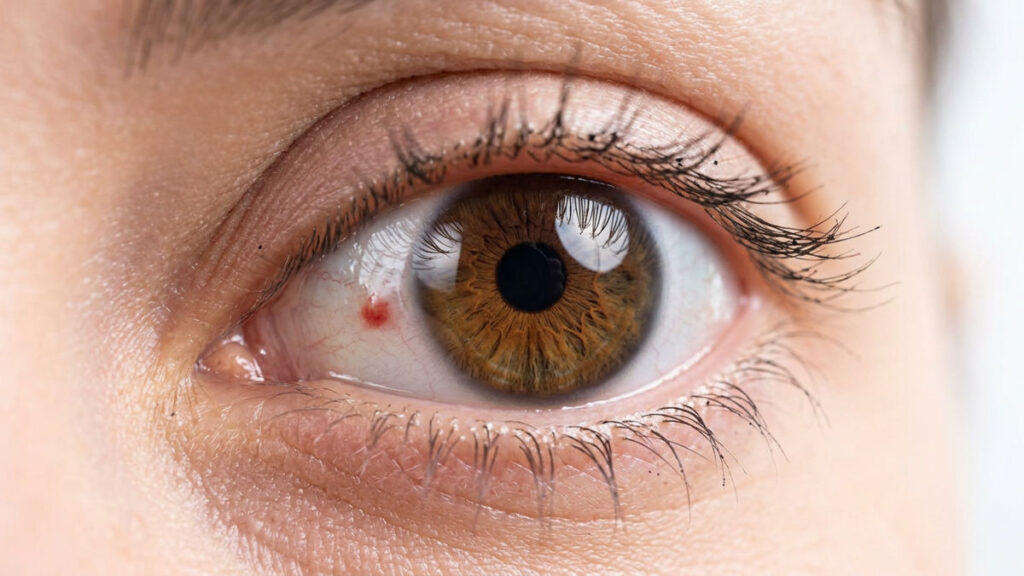
A red spot in the eye is typically a subconjunctival hemorrhage, which occurs when a tiny blood vessel breaks beneath the clear surface of the eye. While often painless and harmless, appearing after sneezing or straining, it should be evaluated if accompanied by vision changes, pain, or trauma.
Table of contents
- Key takeaways
- Identifying the Cause of a Red Spot in Your Eye
- The San Diego Factor: Climate and Eye Irritation
- Supporting the Healing Process at Home
- When to See an Eye Specialist in San Diego
- Verdict on Managing Red Eye Spots
- Frequently asked questions
Key takeaways
- Most red spots are subconjunctival hemorrhages. These typically resolve naturally as the body reabsorbs the blood.
- San Diego triggers are common. Local environmental factors like dry air and allergens often lead to eye rubbing, which can break fragile vessels.
- Spotting vs. general redness. A painless red spot is distinct from the branch-like, diffuse redness associated with chronic dry eye or infections.
- Advanced diagnostics provide clarity. Modern imaging helps verify that a spot is benign and not linked to systemic issues like high blood pressure.
- Supportive care helps. Using artificial tears and avoiding mechanical irritation from poor-fitting contact lenses supports the natural recovery process.
Identifying the Cause of a Red Spot in Your Eye
A subconjunctival hemorrhage is the technical term for a bright red patch on the white of the eye. These occur when small blood vessels break beneath the conjunctiva (the clear membrane covering the eye) according to the Acuvue to Subconjunctival Hemorrhage. Unlike general eye redness, these spots are usually localized, flat, and do not cause discharge or vision blurring. You might wake up and see a startling pool of blood in the mirror. Often, there is no sensation of pain.
Triggers are common. Sudden pressure changes from coughing, heavy lifting, or the strenuous exercise popular in San Diego’s active lifestyle often cause these breaks. Even a forceful sneeze can create enough internal pressure to pop a tiny vessel. The appearance is alarming, yet the condition is usually superficial. Consider this comparison to distinguish between different types of redness:
| Feature | Subconjunctival Hemorrhage | Dry Eye Redness | Pink Eye (Conjunctivitis) |
|---|---|---|---|
| Appearance | Distinct, bright red pool | Diffuse pink/red veins | Pinkish hue with discharge |
| Sensation | Usually painless/mild scratchiness | Gritty, burning, or stinging | Itchy, painful, or sticky |
| Vision | Typically unaffected | May blur intermittently | Can be blurry due to discharge |
| Healing | 7–14 days (self-resolving) | Requires ongoing management | May require medical intervention |
The spot will typically fade without intervention. If you notice a similar occurrence, you can read more about how to manage a popped blood vessel in the eye to understand the recovery timeline.
The San Diego Factor: Climate and Eye Irritation
The dry Mediterranean climate and local allergens in Bankers Hill lead to chronic ocular surface irritation. When air is dry, the tear film evaporates quickly. This leaves the eye feeling gritty and uncomfortable. It often leads to a natural reflex: eye rubbing. Forceful rubbing is a leading cause of mechanical trauma to the conjunctiva, which can easily rupture a delicate blood vessel.
San Diego Climate Tip: Dry air in San Diego often leads to eye rubbing. Keep lubricating drops handy to soothe itchiness before it leads to a broken vessel.
Aggressive eye rubbing due to seasonal allergies is a frequent cause of a broken blood vessel for local residents. During high pollen counts, the urge to rub can be relentless. This mechanical friction is exactly what triggers the hemorrhage. Distinguishing between a one-time hemorrhage and chronic dry eye in San Diego is essential for long-term comfort. Our independent practice at EYE EYE uses personalized diagnostic time to investigate if environmental factors are compromising your ocular health. Unlike high-volume retail chains, we look at how your lifestyle contributes to your ocular health. We help patients find personalized relief for dry eyes before they lead to further complications.
Supporting the Healing Process at Home
Blood is absorbed into the eye over time, requiring no formal intervention. According to New Century Ophthalmology, blood is absorbed much like a bruise on the skin. There is no way to rinse it away. You may notice the spot changing colors, shifting from a deep red to a lighter orange or yellow hue as it clears. The spot may appear to spread slightly before it begins to fade entirely. This is common.
Lubricating drops are commonly used to support moisture and manage the slight scratchy sensation sometimes associated with the conjunctiva during recovery. These drops do not remove the blood. They do provide a protective layer that reduces friction when you blink. During this time, it is wise to avoid rubbing the eye and switch from contact lenses to your independent designer frames. If your spot was associated with contact lens wear, ensure you are using professional contact lens fittings to avoid ill-fitting lenses. A lens that is too tight can pinch the conjunctiva, leading to repeated vessel breaks.
When to See an Eye Specialist in San Diego
Seek professional care immediately if a red spot follows physical trauma, is accompanied by sudden vision loss, or causes persistent pain. While most cases are benign, an eye specialist must rule out internal bleeding behind the iris or damage to the retina. A red spot appearing after blunt force trauma needs immediate professional attention. We must ensure there is no internal damage to the eye’s structures.
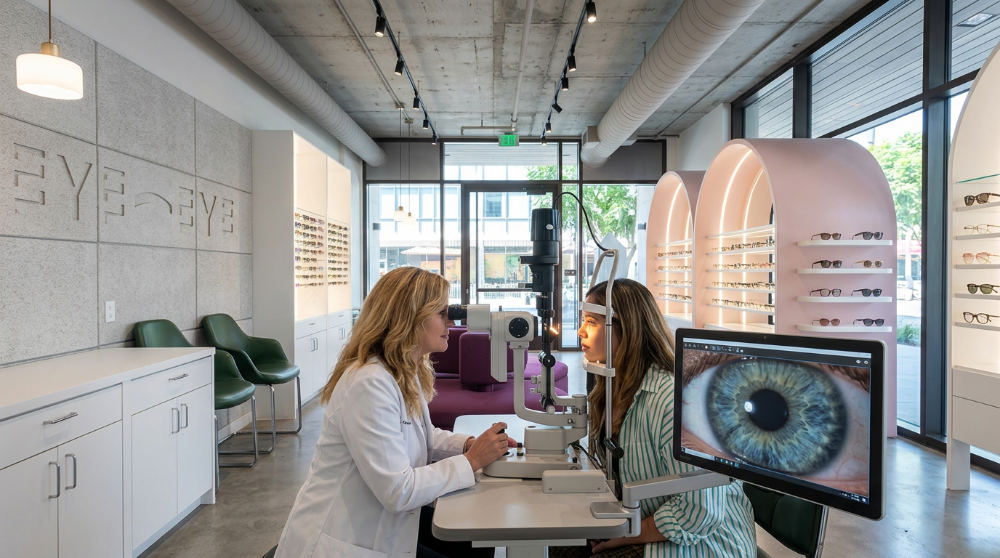
Professional Peace of Mind: If a red spot appears after a head injury or is accompanied by a change in vision, call us immediately at 619-815-5864 for an evaluation.
Recurring hemorrhages may indicate underlying systemic issues such as high blood pressure or blood clotting disorders. If you deal with these spots multiple times a year without an obvious cause like sneezing or straining, a deeper look is necessary. We utilize advanced diagnostic technology to provide peace of mind. Independent care allows for a comprehensive evaluation that corporate chains often rush through. We want you to SEE GOOD All the Time. If you are concerned about a recent change, you can Appointments for a thorough assessment.
Verdict on Managing Red Eye Spots
My verdict is simple: most red spots clear on their own, but professional verification ensures no underlying health issues are overlooked. Identifying the source—whether it is the local climate, lifestyle habits, or systemic health—allows for a better long-term strategy for your vision. At EYE EYE, we believe eye care should be as unique as the individuals we serve.
Our Bankers Hill location offers a specialized Eye Spa and a curated collection of eyewear to support your recovery. If you are recovering from a hemorrhage, our stylists can help you find a comfortable, lightweight pair of frames. This keeps pressure off your ocular surface while the spot clears. We help patients understand the best way to manage a popped blood vessel based on its cause. Call us at 619-815-5864 to learn more about our independent approach to eye health.
Frequently asked questions
When should I worry about a red spot in my eye?
Seek immediate care if the spot is accompanied by sudden vision loss or intense pain. You should also consult a specialist if the spot appeared after a direct blunt force injury to the eye, such as a sports injury or a fall. Evaluation is also recommended if you experience recurring spots without an obvious trigger like coughing or heavy lifting.
How long does it take for a red spot in the eye to go away?
Most subconjunctival hemorrhages resolve naturally over time. During this time, the spot may change color from bright red to orange or yellow as the blood is naturally reabsorbed by the body. No specific medication is needed to speed up this natural biological process; patience is the primary requirement while the eye clears.
Can high blood pressure cause a red spot in the eye?
Yes, sudden spikes in blood pressure or chronic hypertension can affect small ocular vessels, potentially contributing to them breaking. While the spot itself isn’t dangerous, it can sometimes be an early warning sign of systemic vascular health issues. A comprehensive eye exam can help determine if further blood pressure monitoring is necessary for your overall health.
Is a red spot in the eye a sign of dry eye in San Diego?
Typically no; a distinct red spot is a hemorrhage, whereas dry eye causes general, branch-like redness across the surface. However, dry eye can cause significant itchiness that leads to aggressive eye rubbing, which then breaks a blood vessel. Managing dry eye symptoms can help reduce the behaviors that lead to these spots.
Should I stop wearing my designer frames if I have a red spot?
No, wearing glasses is actually preferred over contact lenses while a hemorrhage clears. Frames protect the eye from accidental rubbing and do not touch the ocular surface, allowing the conjunctiva to rest. We can help ensure your independent designer frames are adjusted for maximum comfort during your recovery period.
If you would like to schedule a visit to our clinic at 2765 Fifth Ave Suite 15, San Diego, CA 92103, please request a vision appointment online or call us today at 619-815-5864. SEE GOOD All the Time.
This information is for educational purposes only. Please consult with a qualified eye care professional for any vision or health concerns.