Last updated November 23, 2026
Identify your eye shape by checking for a visible eyelid crease and observing if the iris (the colored part of the eye) touches both eyelids. Common shapes include almond, round, monolid, and hooded, each requiring specific frame geometries to balance facial proportions and ensure visual comfort.
Table of contents
- Key takeaways
- Understanding Your Eye Anatomy and Common Shapes
- How to Determine Your Eye Shape in Four Steps
- 1. Cleanse your face and find natural lighting
- 2. Observe the eyelid crease while looking straight ahead
- 3. Measure the iris and sclera visibility
- 4. Determine the tilt of your outer corners
- When Symptoms Mimic Eye Shape Changes
- Common Mistakes in Shape Identification
- The EYE EYE Approach to Frame Styling
- Frequently asked questions
Key takeaways
- Almond Eyes are the most versatile for frame styling, characterized by an iris that is slightly covered at the top and bottom by the lids.
- Hooded Eyes feature an extra layer of skin over the crease, often benefiting from frames with higher brow lines.
- Monolid eyes have no visible crease and often benefit from frames with specialized bridge geometries.
- Local San Diego factors like seasonal allergies can cause temporary swelling, altering your perceived eye shape.
- Professional frame styling at EYE EYE considers pupil placement and bridge width for a custom fit.
Understanding Your Eye Anatomy and Common Shapes
Determining your eye shape is the first step in finding eyewear that feels balanced and intentional rather than overwhelming. Almond Eyes are a neutral baseline for styling. They feature a visible crease and an iris that is slightly covered at the top and bottom by the eyelids without showing the white of the eye (sclera) above or below. This symmetry allows for significant flexibility when selecting independent designer eyewear in San Diego, as most geometric shapes will complement this proportion.
Round eyes show more of the sclera around the iris, often giving a bright, alert appearance. To provide a structural balance to these soft curves, angular or rectangular frames are typically the strongest choice. Hooded Eyes are defined by a fold of skin that drops over the natural crease, which can make the moveable part of the eyelid appear smaller or entirely hidden. Choosing frames with thin rims or a slightly higher brow line helps maintain the visibility of the eye area without crowding the brow bone.
Monolid eyes lack a visible crease on the lid, a common trait across many ethnicities. This anatomy often requires specialized bridge support, such as extended nose pads, to help maintain the position of the glasses and keep them from resting on the cheeks or sliding down the nose. Finally, upturned and downturned eyes are identified by the tilt of the outer corners. If the corners tilt toward the temple, they are upturned. If they tilt toward the cheekbones, they are downturned. This tilt influences whether a cat-eye lift or a more grounded, heavy-bottomed frame will look most natural.
How to Determine Your Eye Shape in Four Steps
You can identify your eye shape at home by performing a simple visual assessment of your eyelid crease and iris position. Start by looking directly into a mirror with a neutral expression. If there is no visible fold of skin on the eyelid, you likely have a monolid shape. If a fold exists but is obscured by skin drooping from the brow bone, your eyes are hooded. This distinction is vital because it changes how a frame’s top bar sits relative to your brow.
Next, observe where your iris sits. If the white part of your eye is visible either above or below the iris when you are looking straight ahead, you have a round shape. If the iris is slightly covered at the top and bottom by your eyelids, you have an almond shape. To find your tilt, imagine a horizontal line running through the center of your pupils. If the outer corners of your eyes sit above this line, you are upturned. If they sit below, you are downturned.
San Diego Tip: Before identifying your shape, ensure your eyes aren’t currently swollen from local allergens. Using appropriate eye drops may help support comfort and manage temporary puffiness. These products should be used only as directed by a healthcare professional, as improper use can lead to side effects like rebound redness or increased eye pressure.
- Prerequisites. Use a well-lit mirror and a neutral facial expression.
- Time. A short visual assessment.
- Cost. Free.
1. Cleanse your face and find natural lighting
Start by removing any eye makeup, heavy creams, or serums that might artificially weigh down the skin or obscure the natural fold of your eyelids. Shadows from mascara or dark eyeliner can make an almond eye appear more downturned or hide a subtle crease. A lightweight primer may help with eyeliner feathering on hooded or round eyelids, ensuring your natural eye shape remains clear during the evaluation.
Face a window during peak daylight hours to ensure even, natural light. Artificial overhead lighting often casts harsh shadows in the orbital socket, which can make eyes look more deep-set or hooded than they actually are. Pull your hair back completely from your forehead and temples so the entire area around your eyes is visible. This clarity is essential for proper San Diego eye care assessments at home.
2. Observe the eyelid crease while looking straight ahead
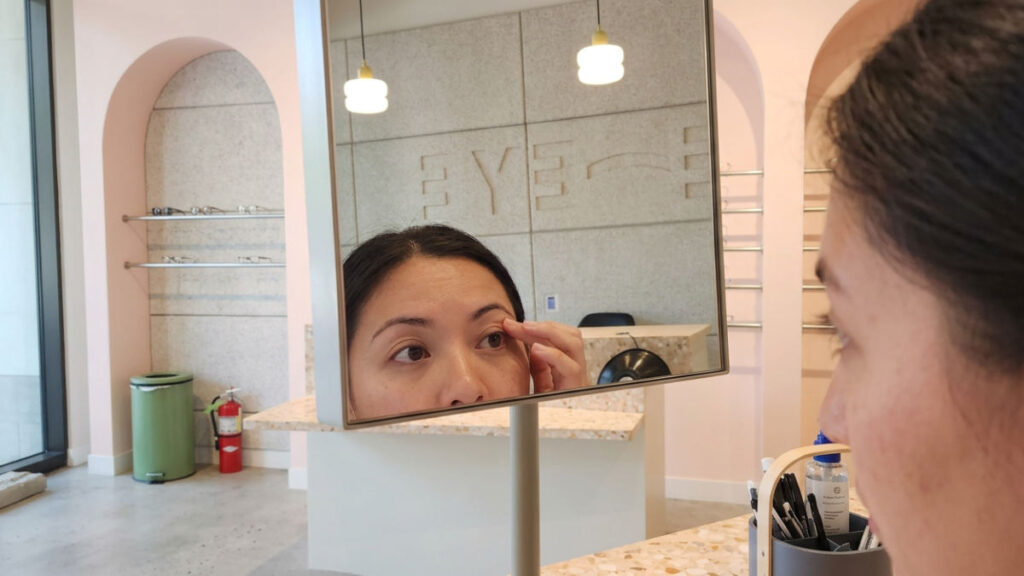
Hold a hand mirror at eye level and maintain a neutral gaze without squinting, smiling, or raising your eyebrows. Muscle tension in the forehead can temporarily lift a hooded lid or create a crease that isn’t there when the face is at rest. Comprehensive eye care in San Diego requires understanding these subtle muscular impacts on your natural appearance.
Carefully identify the behavior of the crease. If the crease is completely hidden by skin, it is hooded. If there is no fold at all, it is monolid. Note any asymmetry, as it is common to have a deeper crease on one eye or more pronounced hooding on the other due to natural facial structure.
3. Measure the iris and sclera visibility
Focus specifically on the iris, which is the colored circle of the eye, and the sclera, the white part. In a neutral gaze, check if the sclera is visible at the very bottom or top of the iris. If you see white in either of these spots, your eye shape is categorized as round. General eye health information suggests that exposure levels may impact how quickly tears evaporate.
If the upper and lower eyelids slightly overlap the edges of the iris, you have almond eyes. This measurement helps determine how much vertical space a frame should occupy. Round eyes often benefit from wider, narrower frames to add contrast, while almond eyes can handle taller, oversized styles. For those visiting us for San Diego eye care, these measurements are a core part of our styling consultation.
4. Determine the tilt of your outer corners
Place a straight edge, such as a pencil or your index finger, horizontally across the center of your pupils while looking in the mirror. Observe the "canthus," which is the outer corner where the upper and lower lids meet. This physical geometry is an important consideration when choosing your next set of frames.
If the outer corner sits higher than your straight edge, your eyes are upturned. If the corner dips below the line toward your cheekbones, they are downturned. This tilt is a major factor in "frame lift." For example, a frame with a strong upward sweep can accentuate an upturned shape or provide a visual lift to a downturned eye, offering a balanced aesthetic for those seeking eye care in San Diego.
When Symptoms Mimic Eye Shape Changes
Environmental factors in Southern California can lead to temporary changes in how your eye shape appears. Inflammation caused by pollen or dust is a common issue that triggers swelling in the eyelids. This puffiness can make a visible crease disappear, creating a temporary hooded look that isn’t representative of your true anatomy. Using supportive eye drops may help manage temporary lid appearance. These options should be used according to a professional’s instructions to help avoid irritation or other ocular complications.
Similarly, general dryness in our local climate can lead to persistent squinting and redness. This constant muscle tension can make the eyes appear smaller or more narrow than they are. If you notice a red spot in the eye or localized swelling, it is important to distinguish this from a natural shape. A sudden change may be ptosis, which is a condition involving the eyelid muscle that requires clinical evaluation, rather than a natural hooded shape.
Common Mistakes in Shape Identification
Many people incorrectly assume that hooded eyes are simply a result of aging. While skin elasticity does change over time, hooded eyes are often a structural anatomy present from an early age. Another common mistake is equating round eyes with large eyes. Shape refers to the curvature and iris exposure, not the physical size of the eyeball. When managing symptoms of dryness, individuals often notice their shape looks more "open" once temporary irritation is addressed.
One of the most frequent errors in frame selection is neglecting bridge height. Those with monolid shapes often find that mass-market frames sit too low on the face or touch the cheeks. This happens because some bridge geometries do not account for a flatter nasal bridge. Finally, don’t overlook the impact of seasonal allergies. Using specialized drops to support comfort and help maintain a normal appearance can reveal your true eye shape, making it easier to select frames that fit correctly once the reaction subsides.
The EYE EYE Approach to Frame Styling
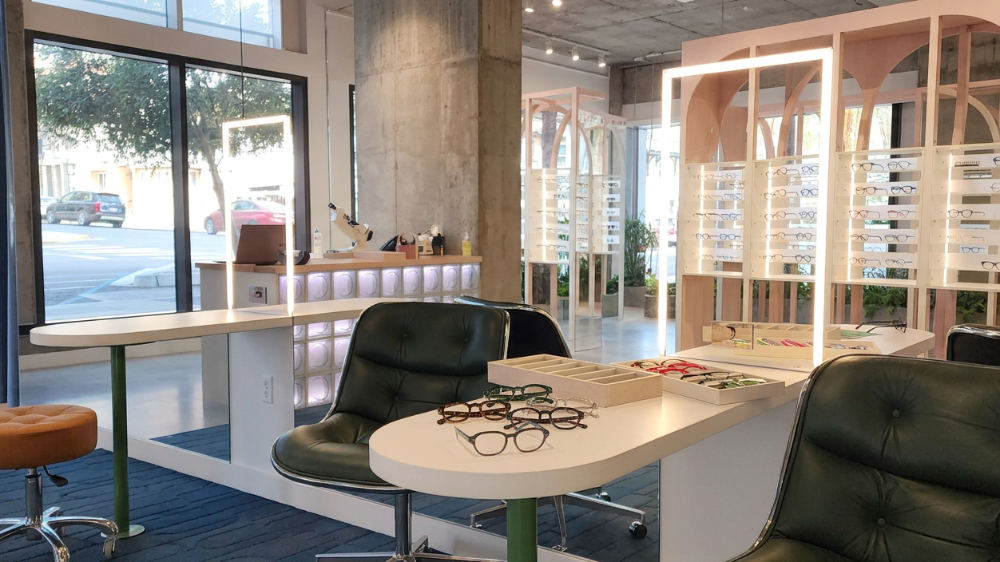
Our professional styling process at EYE EYE begins with an analysis of your unique anatomy. We don’t just look at the shape of the eye. We consider bridge width, pupil placement, and the lift of your brow line to curate choices from a diverse collection of independent designers. We focus on how the frame interacts with your features, whether you require specific bridge support for monolid shapes or balanced proportions for round eyes.
Our "SEE GOOD All the Time" philosophy ensures that your eyewear supports both your aesthetic and your visual preferences. By using modern tools during our exams, we help ensure your prescription is positioned within the frame geometry that matches your eye shape. To have your features analyzed and explore independent designer frames that fit your life, we invite you to visit our practice.
If you are ready for a personalized fit, you can book a styling appointment online or call us at 619-815-5864. You can also visit us at 2765 Fifth Ave in Bankers Hill to see how different independent brands complement your specific eye shape.
Frequently asked questions
How do I know if I have hooded eyes?
Look for a layer of skin that rests over the crease of your eyelid when your eyes are open. This fold can make the moveable part of the eyelid appear very small. It is a structural feature of your bone and skin anatomy, rather than a temporary condition caused by swelling.
Which independent eyewear brands are best for round eyes?
Independent brands that offer classic rectangular and square silhouettes are often helpful for round eyes. These shapes provide an angular contrast to the soft curves of a round eye, helping to balance the appearance of the eye area. It is generally common to avoid perfectly circular frames, which can emphasize the roundness of the eye.
Can my eye shape change if I have dry eye or allergies in San Diego?
Yes, local environmental factors can cause temporary changes. Seasonal allergies can lead to swelling that creates a puffy or hooded appearance. Similarly, persistent dryness can cause irritation and squinting, which makes the eyes look narrower. Proper eye care supports the eyes in returning to their natural, relaxed appearance.
How do I find frames for a low bridge if I have monolid eyes?
Look for independent designers known for specialized bridge structures and adjustable nose pads. These features allow the frame to sit higher on the nose, helping to keep the bottom of the glasses from resting on your cheeks. Independent brands often provide more diverse fit options than mass-market retailers.
What is the difference between hooded eyes and ptosis?
Hooded eyes are a natural anatomical trait where skin from the brow area covers the eyelid crease. Ptosis is a concern where the actual margin of the eyelid sits lower than typical, potentially covering the pupil. If you notice a sudden droop in one or both lids, you should seek a professional eye exam for a personal evaluation.
Educational information only. Consult a qualified clinician for medical advice or concerns regarding your eye health.