
Last updated November 11, 2026
Managing itchy, red eyes requires understanding how different topical solutions interact with the conjunctiva, the thin membrane covering your eye. This guide details 13 evidence-based allergic conjunctivitis eye drops types and application strategies, sourced from clinical reviews and pediatric health organizations, to help you navigate the best options for maintaining ocular health.
| Key Takeaways | Description |
|---|---|
| Dual-Acting Agents | Combine antihistamines and mast cell stabilizers for both immediate itch relief and long-term prevention. |
| Once-Daily Dosing | High-concentration olopatadine (0.77%) provides a full 24 hours of relief for busy schedules. |
| Steroid Usage | Prescription corticosteroids treat severe inflammation but require strict supervision to avoid risks like glaucoma. |
| Mechanical Relief | Artificial tears (especially chilled versions) flush out allergens like pollen and dander effectively. |
| Proper Technique | Using punctal occlusion (pressing the tear duct) keeps medicine on the eye and prevents a bitter taste. |
Table of contents
- 1. Dual-acting antihistamine and mast cell stabilizing agents provide comprehensive relief.
- 2. High-concentration olopatadine 0.77% offers 24-hour symptom support with a single dose.
- 3. Prescription corticosteroid drops may be necessary for severe inflammatory cases.
- 4. Over-the-counter Ketotifen drops offer a fast-acting non-prescription option.
- 5. Standalone mast cell stabilizers help maintain long-term comfort during allergy season.
- 6. Preservative-free artificial tears help flush allergens from the eye.
- 7. Antihistamine-vasoconstrictor combinations provide temporary redness reduction.
- 8. Topical Nonsteroidal Anti-inflammatory Drugs (NSAIDs) address ocular soreness.
- 9. Topical antihistamines offer rapid relief for acute ocular itching.
- 10. Proper administration techniques maximize the efficacy of any eye drop.
- 11. Eye drops for Vernal Keratoconjunctivitis (VKC) require specialized clinical management.
- 12. Oral antihistamines may be used but can exacerbate dry eye symptoms.
- 13. Oral leukotriene receptor antagonists may support ocular health indirectly.
- Differentiating Allergy from Infection and Dry Eye
- Comprehensive Care for the Allergy Sufferer
- Frequently asked questions
1. Dual-acting antihistamine and mast cell stabilizing agents provide comprehensive relief.
Dual-acting antihistamine and mast cell stabilizing agents provide comprehensive relief by blocking H1 receptors to stop itching while simultaneously preventing the future release of histamine from mast cells. These medications are often considered the first-line therapy for ocular allergies because they hammer the allergic reaction from two distinct angles. These medications kill active itching almost immediately. By stopping the future release of inflammatory mediators, these drops keep you comfortable longer than older, single-action formulas. Common clinical examples include olopatadine, ketotifen, and azelastine.
"Dual-acting agents are significantly more effective than standalone antihistamines or mast cell stabilizers because they address both the immediate and late-phase allergic response." — Clinical Research Summary
Research indicates these agents outperform standalone options because they offer both rescue relief and ongoing protection. If basic drops aren’t cutting it, we use advanced diagnostic technology at our Bankers Hill practice to see if these dual-action formulas fit your specific inflammatory profile. They are generally well-tolerated, though you might feel a mild, temporary sting when they hit your eye. Using these agents correctly ensures the conjunctiva remains calm even during peak pollen counts.
Source: National Institutes of Health (PMC)
2. High-concentration olopatadine 0.77% offers 24-hour symptom support with a single dose.
High-concentration olopatadine 0.77% offers 24-hour symptom support with a single dose, making it one of the most convenient options for patients with moderate to severe allergic conjunctivitis. This formulation targets extended relief from itching compared to standard lower-concentration alternatives. It uses a povidone-based vehicle, a thickening agent that helps the medication stay in contact with the eye surface longer. Clinical reviews show this concentration works for a full 24 hours. You only need one drop per day. This once-daily schedule helps with compliance, so you don’t forget a mid-day dose while working or traveling.

While effective, you must consult with a professional to ensure this concentration suits your ocular history, especially if your eyes are sensitive. In the realm of eye care san diego, many patients prefer this high-strength option to avoid the hassle of carrying bottles during outdoor activities. The long-acting nature of olopatadine 0.77% reduces the need for supplemental eye drops for itchy eyes over the counter. If you are struggling with persistent symptoms, this specific concentration can be a game-changer for your daily routine.
Source: National Institutes of Health (PMC)
3. Prescription corticosteroid drops may be necessary for severe inflammatory cases.
When standard antihistamines fail, prescription corticosteroids might be the only way out. These are potent anti-inflammatory agents that inhibit the late-phase allergic reaction, knocking down deep-seated swelling and redness. However, steroids are never a casual solution. Long-term use requires strict clinical supervision. They carry risks like increased intraocular pressure, which can lead to glaucoma, or accelerated cataract formation. Because of these dangers, they are typically reserved for short-term management of symptoms that ignore other therapies.
A clinician will usually prescribe them for a week or two to "calm" the eye before moving you back to a milder maintenance drop. If you feel severe pain or see blurred vision along with the itching, it’s a warning sign you need a specialist exam rather than more over-the-counter options. Our team at Eye Care of San Diego monitors patients closely when steroids are necessary to ensure safety. This targeted approach prevents the serious side effects associated with unmonitored use while providing rapid relief for intense ocular inflammation.
Source: American Association for Pediatric Ophthalmology and Strabismus
4. Over-the-counter Ketotifen drops offer a fast-acting non-prescription option.
Ketotifen is a widely accessible over-the-counter (OTC) option that provides dual-action relief without a doctor’s visit. It works fast to stop itching, and the effects usually stick around for 12 hours. This makes it a solid choice for seasonal allergy sufferers who need a fix right now. It is generally safe for children as young as 3 years old, making it a household staple during high-pollen months. While convenient, OTC drops may struggle with chronic conditions like Vernal Keratoconjunctivitis, which involves more severe, long-term inflammation.
If you are reaching for these daily with no improvement, you might benefit from personalized relief for dry eyes or an allergy consultation to make sure you aren’t masking a deeper problem. Many patients seeking san diego eye care find that ketotifen serves as a reliable bridge until they can get a comprehensive exam. It is one of the most recommended eye drops for itchy eyes over the counter due to its safety profile and dual-action mechanism. Always follow the packaging instructions to avoid over-use, which can lead to further irritation.
Source: Ketotifen Availability
5. Standalone mast cell stabilizers help maintain long-term comfort during allergy season.
Standalone mast cell stabilizers help maintain long-term comfort by preventing the allergic cascade from starting, though they do not provide the immediate relief found in antihistamines. Medications like cromolyn sodium function differently than rescue drops. They "coat" the cells to prevent them from bursting and releasing histamine. Because they don’t block existing histamine, they won’t stop active itching instantly. Instead, they require a "loading period." They are most effective when started 2–4 weeks before you expect allergens to hit (like the start of the spring bloom).
They work best for seasonal maintenance for patients who know their flare-up windows. If you’re already in the middle of an itchy flare, these won’t offer instant gratification, but they are great for stabilization over a long season. For residents seeking dry eye treatment san diego, stabilizing the ocular surface is a priority. These drops are ideal for those who prefer a preventative approach rather than a reactive one. Consistent use is the key to success with mast cell stabilizers, as their protective barrier builds up over time to keep allergens from triggering the conjunctiva.
Source: American Association for Pediatric Ophthalmology and Strabismus
6. Preservative-free artificial tears help flush allergens from the eye.
The simplest approach is often mechanical. Lubricating drops, or artificial tears, dilute the concentration of pollen, pet dander, or dust on the conjunctiva. By flushing these irritants away, you remove the trigger. These drops also support the natural tear film, which chronic inflammation often ruins. For an extra kick, try using chilled artificial tears. The cold helps constrict blood vessels and soothes burning or stinging. We often suggest this for patients who want to minimize medicated drop use.
Using preservative-free versions is vital if you apply them frequently, as preservatives can cause secondary irritation. If swelling is heavy, consider a cold compress for allergy relief to help your drop regimen along. In the context of san diego eye health, flushing out environmental pollutants is a daily necessity for many. This method is safe for all ages and can be used alongside more powerful allergic conjunctivitis eye drops. By maintaining a clean ocular surface, you significantly reduce the workload of your medicated drops.
Source: American Association for Pediatric Ophthalmology and Strabismus
7. Antihistamine-vasoconstrictor combinations provide temporary redness reduction.
You likely know these as "redness relief" drops. Combinations using naphazoline tackle both the itch and the physical appearance of red eyes by shrinking the blood vessels on the eye’s surface. While they make eyes look white almost instantly, there is a catch. Using them for more than 3-5 days can lead to "rebound hyperemia." This is a condition where blood vessels dilate even further once the med wears off, making the redness return with a vengeance. Clinicians recommend these only for occasional, short-term cosmetic fixes.
They don’t fix the allergy itself. For long-term health, managing underlying inflammation is the only way to see clearly all the time without relying on vasoconstrictors. Many people visit an eye see eye optometrist after realizing these drops have made their redness worse. It is important to address the source of the itch rather than just the color of the eye. If you need a cosmetic fix for a single event, these are fine, but they should never be part of a daily allergy management strategy for chronic sufferers.
Source: National Institutes of Health (PMC)
8. Topical Nonsteroidal Anti-inflammatory Drugs (NSAIDs) address ocular soreness.
Topical NSAIDs, such as ketorolac, reduce the production of prostaglandins (chemicals that signal pain and inflammation). Most people think of antihistamines for allergies, but NSAIDs are useful for the actual soreness or "grittiness" of severe reactions. These are sometimes used as steroid-sparing alternatives for patients who can’t handle cataracts or eye pressure spikes. Expect a temporary stinging or burning sensation right after application. This doesn’t mean it’s failing, but it can be annoying.
Because they can mess with corneal healing if overused, only use them as directed by a professional. At EYE EYE San Diego Optometry, we evaluate whether your pain requires an NSAID or if a different class of drop is more appropriate. These medications are particularly helpful for patients who experience physical discomfort rather than just itching. By targeting the pain pathways, NSAIDs provide a different layer of comfort that antihistamines might miss. They are a specialized tool in the broader toolkit for managing ocular allergy symptoms effectively.
Source: National Institutes of Health (PMC)
9. Topical antihistamines offer rapid relief for acute ocular itching.
Standalone topical antihistamines are built for speed. They hit histamine H1 receptors directly on the conjunctiva to kill itching within minutes. While fast, older versions like emedastine often have a shorter lifespan than newer dual-acting drops. You might need to apply them four times a day to stay comfortable. They are perfect for "breakthrough" symptoms, like when a high pollen count or a cat triggers a sharp reaction despite your regular routine.
Because they don’t stabilize the mast cells, they won’t stop the next reaction. They only treat the one happening right now. If your eyes stay red and itchy despite these, you likely need a deeper diagnostic approach. Many patients in the san diego eye community use these as a quick fix before heading outdoors. While effective for a short burst, they are often replaced by once-daily dual-acting agents for better long-term control. Understanding the difference between a rescue drop and a maintenance drop is key to managing your comfort.
Source: National Institutes of Health (PMC)
10. Proper administration techniques maximize the efficacy of any eye drop.
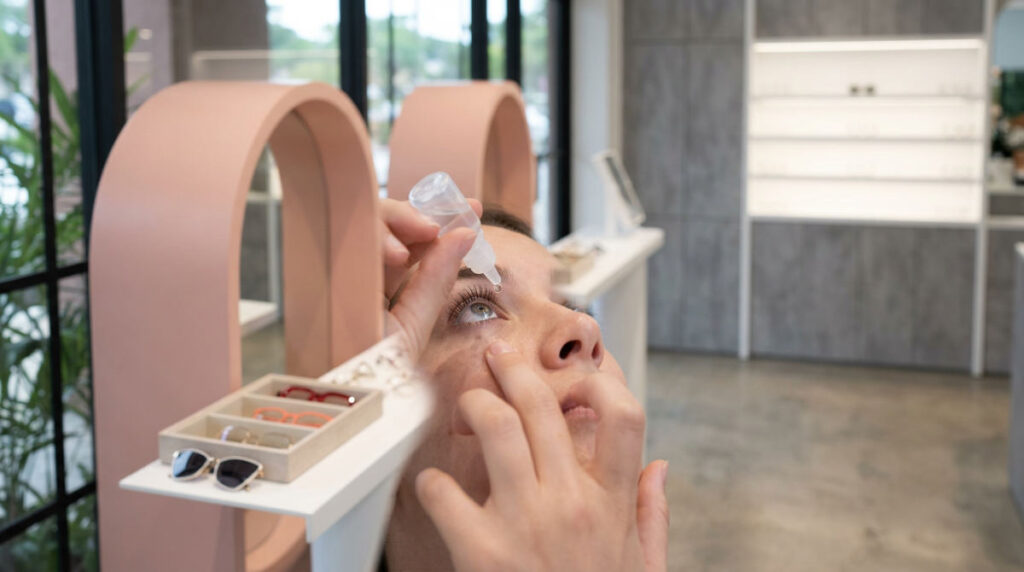
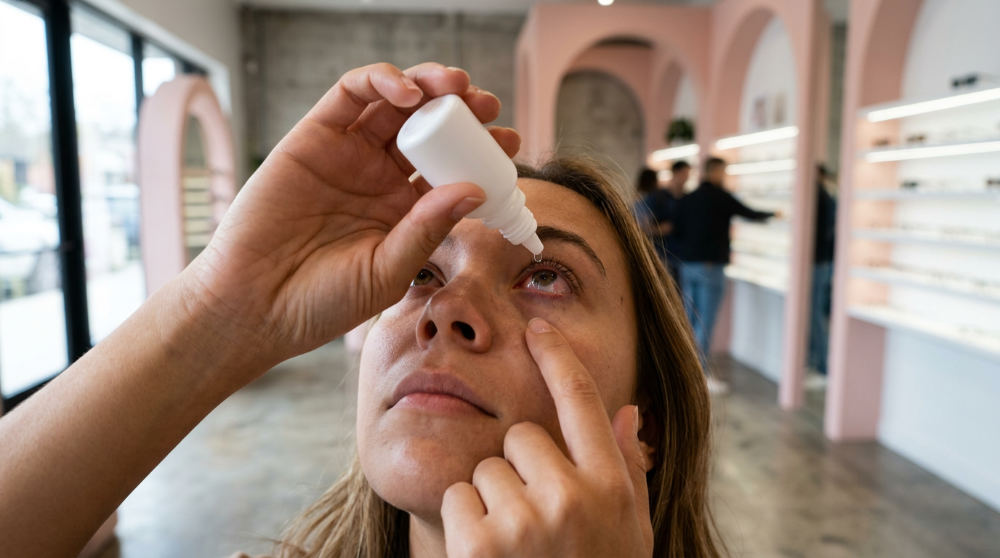
The best medication fails if it doesn’t stay in your eye. To get the most out of your drops, wash your hands first. Never touch the dropper tip to your eyelashes or the eye itself, which prevents contamination. After the drop lands, close your eyes gently for 1-2 minutes. This stops the blinking reflex from pumping the medicine out. Also, apply light pressure to the tear duct at the inner corner (punctal occlusion). This keeps the medicine on the eye surface and stops it from draining into your throat.
Preventing the medicine from entering the nasolacrimal duct also prevents a bitter taste. If you wear contact lenses, wait at least 10 minutes after using medicated drops before putting lenses back in. This prevents the medication from getting trapped behind the lens, which can cause irritation or damage to the contact. For those seeing a botox eye doctor san diego for other treatments, maintaining a healthy ocular surface with proper drop technique is essential for overall facial and eye comfort. Following these steps ensures every drop delivers its full therapeutic potential.
Source: American Association for Pediatric Ophthalmology and Strabismus
11. Eye drops for Vernal Keratoconjunctivitis (VKC) require specialized clinical management.
Vernal Keratoconjunctivitis is a far more severe, chronic form of allergic eye disease. It’s most common in children in warm, sunny climates. Unlike standard seasonal allergies, VKC can cause structural damage and threaten vision. Approximately 1 in 5 children are affected by some form of allergic conjunctivitis, but VKC is the variant that causes the most clinical concern. Treatment is complex. It often involves a rotating mix of high-strength mast cell stabilizers and intermittent topical steroids.
In stubborn cases, clinicians use topical cyclosporine or other immunomodulators to quiet the immune response. A "one-size-fits-all" OTC approach will usually fail here. If a child has thick discharge, light sensitivity, or intense itching that disrupts school, they need a specialized exam. We focus on personalized vision solutions that address these intense inflammatory conditions for the younger residents of San Diego. Early intervention in VKC is critical to preventing long-term scarring of the cornea and ensuring the child maintains healthy vision through their developing years.
Source: AAPOS to Allergic Conjunctivitis
12. Oral antihistamines may be used but can exacerbate dry eye symptoms.
Many people grab a pill like loratadine or cetirizine when eyes start itching. While oral meds are great for a runny nose or sneezing, they are generally less effective for the eyes than drops. The big drawback is that oral antihistamines can "dry out" the ocular surface. If your eyes are already irritated by allergens, losing tear production can make the itching and burning feel worse. This creates a confusing overlap between allergy and dry eye.
Clinical consensus usually prefers topical drops to treat isolated eye symptoms to avoid this systemic drying effect. If you aren’t sure if the discomfort comes from environmental triggers or a lack of tears, a professional assessment will clarify the cause. This is a common issue for those seeking dry eye treatment san diego, as the dry air and high allergen counts often collide. Shifting from oral medications to targeted allergic conjunctivitis eye drops often provides superior relief without the side effect of reduced tear volume.
Source: Clinical Review of 24-Hour Allergy Medications
13. Oral leukotriene receptor antagonists may support ocular health indirectly.
Mainly prescribed for asthma or allergic rhinitis, oral leukotriene receptor antagonists like montelukast can support ocular health indirectly. These medications block leukotrienes, chemicals the body releases when it breathes in an allergen. For some, this helps dampen the overall systemic allergic response, which reduces the severity of the eye reaction. These are systemic adjuncts, not a primary treatment for itchy eyes. They are often a good fit for patients who suffer from both asthma and seasonal allergies.
Like all systemic medications, they have side effects and should be managed by a doctor who can coordinate with your eye care provider. While they don’t replace the need for direct eye drops for itchy eyes over the counter, they can make those drops more effective by lowering the body’s total inflammatory load. If you are already taking these for respiratory issues, you may find your ocular symptoms are easier to manage during peak seasons. Always disclose all your systemic medications during an eye exam to ensure your treatment plan is fully integrated.
Source: National Institutes of Health (PMC)
Differentiating Allergy from Infection and Dry Eye
You must distinguish between allergic conjunctivitis and infectious pink eye. Allergies usually cause intense itching in both eyes at once, often with clear, watery discharge. Viral or bacterial infections involve thick, colored discharge and usually start in one eye before spreading. Also, infections often feel "hot" or painful rather than just itchy. Understanding these differences is the first step in choosing the right allergic conjunctivitis eye drops.
In our Bankers Hill practice, we use diagnostic tech to separate seasonal allergies from chronic dry eye issues common in the San Diego climate. If you experience light sensitivity, severe pain, or reduced vision, you need a specialist exam immediately. Don’t try to self-treat with OTC drops. A clinical evaluation helps determine if the issue is a lack of tears or an allergic reaction, which prevents using medications that could make a dry eye worse. Proper diagnosis ensures you are not wasting time on treatments that won’t address your specific condition.
Comprehensive Care for the Allergy Sufferer
Managing allergies means looking at the whole environment. Simple habits, like using HEPA filters and washing your hair before bed to remove trapped pollen, reduce your overnight allergen load. Using a cold compress for allergy relief helps constrict blood vessels and soothe swelling without extra chemicals. These lifestyle changes provide a foundation for your medicated drops to work more effectively throughout the day.
Integrated care at our Eye Spa can support health for chronic sufferers by addressing eyelid hygiene and calming inflamed tissues. We believe staying comfortable means managing the underlying inflammation. We also provide personalized vision solutions, pairing allergy care with a curated collection of independent designer frames. High-quality frames act as a physical barrier against wind-blown debris, combining fashion with functional protection. By combining medical treatment with environmental control, you can reclaim your comfort during even the most intense allergy seasons.
Frequently asked questions
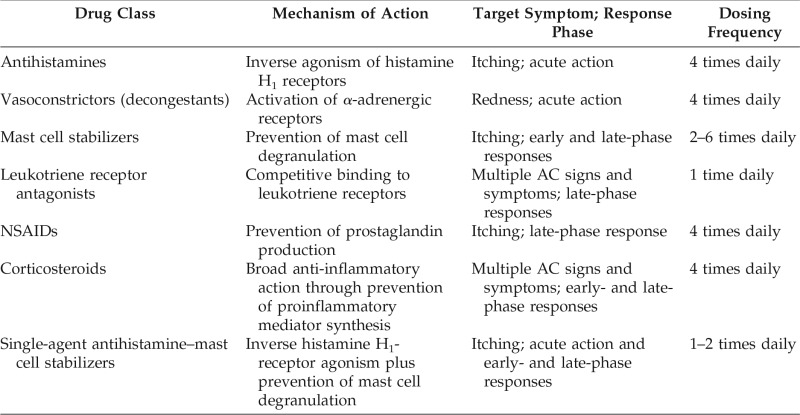
Image source: pmc.ncbi.nlm.nih.gov
What are the best eye drops for allergic conjunctivitis?
Dual-acting drops like olopatadine are highly effective because they handle both immediate itching and long-term stabilization. The best drop depends on your specific symptoms, such as whether you need redness relief or prevention. A clinical consultation at a practice like EYE EYE San Diego Optometry helps identify the right formula for your ocular surface.
Should I use OTC or prescription drops for itchy eyes?
OTC drops like ketotifen are excellent for mild to moderate seasonal itching. Prescription-strength options, including certain steroids or high-concentration antihistamines, are usually necessary for severe inflammation or chronic cases like VKC. If OTC options don’t help within a few days, get a professional exam to prevent further complications.
Can I use allergy eye drops while wearing my designer frames from EYE EYE?
Yes, allergy drops work fine with glasses. High-quality frames act as a physical barrier against pollen and dust. If you wear contact lenses, apply most medicated drops 10 to 15 minutes before putting lenses in. We can help you choose independent designer frames that offer style and protection on high-pollen days in the San Diego area.
How do I know if I need dry eye treatment or allergy drops in San Diego?
Allergies are mostly about itching. Dry eye feels like a gritty or burning sensation. San Diego’s climate often causes both to overlap. Our team uses specialized tools to test tear film quality and check for allergens so you get the correct treatment. Differentiating between these two ensures you don’t use drying medications on an already parched eye surface.
If you are tired of battling red, itchy eyes, get an evaluation tailored to your lifestyle. You can Appointments to start a customized plan that hits the root cause of your discomfort and keeps your vision clear year-round.