
Last updated October 27, 2026
LASIK eye surgery is a refractive procedure that uses specialized lasers to reshape the cornea, the eye’s clear front surface. By supporting how light hits the retina, it addresses nearsightedness, farsightedness, and astigmatism. It helps a majority of patients achieve significant visual improvement, often reducing the daily reliance on glasses.
Table of contents
- Key takeaways
- The Science of Reshaping the Cornea
- Determining If You Are a Candidate for Laser Vision Correction
- The Role of Independent San Diego Eye Care in Your Journey
- Comparing LASIK and PRK for Vision Correction
- Managing Dry Eye and Coastal Climate Factors in San Diego
- When Laser Surgery Might Not Be the Right Path
- Life After Surgery and the SEE GOOD All The Time Philosophy
- Frequently asked questions
Key takeaways
- Proven Track Record. Over 19 million LASIK procedures have been performed in the U.S. since receiving FDA approval.
- Strict Candidacy. A stable prescription for at least one year and sufficient corneal thickness are vital candidacy requirements.
- Unbiased Guidance. Independent co-management ensures you receive unbiased referrals to the best surgical specialists for your specific needs.
- Coastal Recovery. San Diego’s coastal climate can influence post-operative dry eye recovery, requiring proactive surface health management.
- Advanced Customization. Modern wavefront technology allows for a highly customized treatment plan based on your eye’s unique map.
The Science of Reshaping the Cornea
LASIK stands for laser-assisted in situ keratomileusis, a two-step process focusing on the cornea. Think of the cornea as your eye’s primary lens. Even slight irregularities in this clear dome cause blurred vision or astigmatism. During the procedure, a surgeon uses either a mechanical microkeratome or a femtosecond laser (often called IntraLase) to create a thin, protective flap.
Once the flap is folded back, a computer-guided excimer laser removes microscopic amounts of tissue. This changes the cornea’s curvature. Light then focuses more accurately on the retina rather than in front of or behind it. The precision is high. According to the Refractive Surgery Council to LASIK, the femtosecond laser pulses at one quadrillionth of a second to create microscopic tissue disruptions. By adjusting the cornea at the micron level, surgeons address the unique imperfections of your visual system. Modern procedures often utilize wavefront technology. It creates a detailed 3D map of how light travels through your eye. This offers a level of customization that traditional mass-market glasses simply cannot match.
Determining If You Are a Candidate for Laser Vision Correction
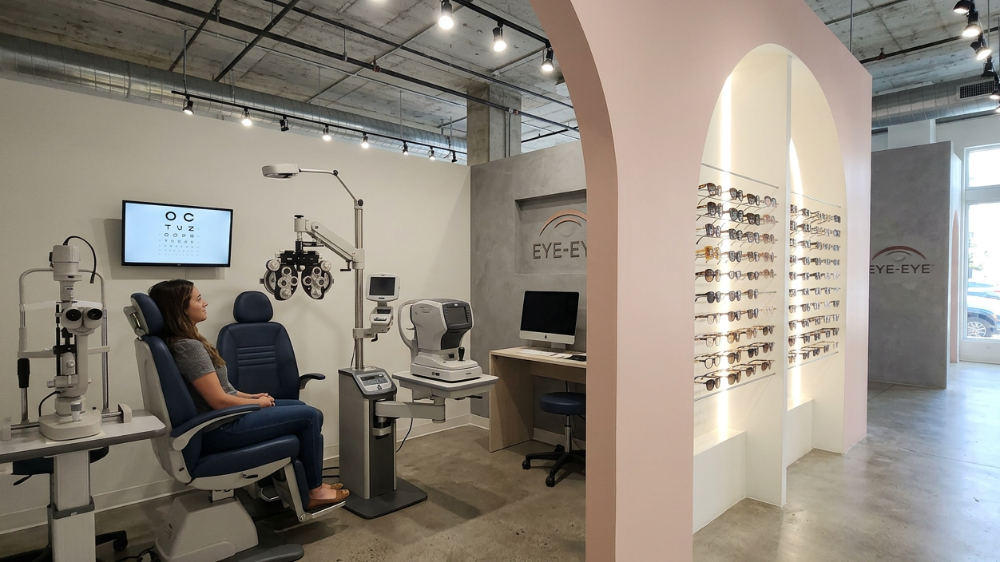
Candidacy starts with a professional eye examination to measure corneal thickness and pupil size. We look for specific anatomical markers because the surgery removes tissue. If your cornea is naturally thin, removing further layers compromises the structural integrity of the eye. Ideal candidates are at least 18 years old. They must have a stable vision prescription for at least 12 consecutive months. This ensures the laser corrects a stationary target rather than a moving one.
Health conditions like uncontrolled autoimmune disorders or severe chronic dry eye may require management prior to surgery. If you have thin corneas or participate in high-impact sports like martial arts, you might be better suited for Photorefractive Keratectomy (PRK) rather than LASIK. Before you commit to a surgeon, book a consultation to evaluate your unique ocular anatomy. This screening determines which technology fits your lifestyle. Call our team at 619-815-5864 to start this evaluation.
The Role of Independent San Diego Eye Care in Your Journey
Choosing an independent optometry practice for co-management provides an unbiased perspective. Unlike high-volume surgical centers that may feel pressured to meet monthly quotas, EYE EYE focuses on your personalized care. We help you find the specific clinics that provide laser procedures to ensure you match with a specialist suited for your prescription. We strongly recommend this independent path because it keeps your long-term health as the only priority, not a surgery sales target.
Independent Advantage: EYE EYE San Diego’s independent status allows for unbiased co-management, ensuring patients are referred to the best surgeons based on their specific corneal needs.
Co-management involves pre-operative screenings and coordinated follow-up care. We help you sort through local care options to find the specific technology, like Wavefront, that fits your goals. This partnership ensures your primary eye doctor, who knows your history and has tracked your ocular health for years, remains involved. By having a local team manage your post-operative visits, you receive personalized attention and quick responses.
Comparing LASIK and PRK for Vision Correction
LASIK involves a corneal flap. This typically leads to a faster immediate recovery and less discomfort. Because the flap is replaced after the laser does its work, it acts as a natural bandage. Most people see clearly within a day. Photorefractive Keratectomy (PRK) is different. It removes the outer layer of the cornea entirely. This layer, called the epithelium, then regenerates over several days. Recovery is longer. However, PRK is often suggested for those with thin corneas or those in the active military who risk flap displacement during training.
| Feature | LASIK | PRK |
|---|---|---|
| Recovery Time | 24–48 Hours | 3–5 Days |
| Flap Creation | Yes | No |
| Discomfort Level | Minimal | Moderate (Temporary) |
| Best For | Most patients | Thin corneas/Active military |
LASIK is a well-known name in the field, but it is not the only path to clear sight. According to the FDA Patient Information on LASIK, the choice depends on your lifestyle. For example, a San Diego surfer might be advised toward one procedure over the other to minimize the risk of water pressure affecting a fresh corneal flap.
Managing Dry Eye and Coastal Climate Factors in San Diego
San Diego’s Mediterranean climate and coastal air can exacerbate post-operative dryness. Managing dry eyes is critical. The procedure temporarily disrupts the nerves responsible for tear production. This leads to a sensation of grittiness or burning. You will notice this in our local environment. Seasonal Santa Ana winds or dry coastal breezes pull moisture from the ocular surface fast.
Local Climate Tip: San Diego’s coastal air can dry out the eyes faster during recovery; proactive ‘Eye Spa’ treatments are essential for maintaining comfort.
Our Eye Spa at EYE EYE helps maintain the ocular surface through specialized lid hygiene and moisture therapies. Patients in Bankers Hill should know that local allergens (like pollen from Balboa Park) can mimic or worsen dry eye symptoms. Clinics that offer advanced dry eye support ensure that visual clarity isn’t compromised by a fluctuating tear film. We use therapeutic masks and medical-grade drops to help your eyes stay comfortable. This allows the cornea to heal smoothly.
When Laser Surgery Might Not Be the Right Path
LASIK does not address presbyopia, the age-related loss of near vision that typically occurs after age 40. Even if your distance vision is corrected, you may still eventually need reading glasses for close-up tasks. If your prescription is still changing rapidly, the results will not remain stable. It is better to wait.
High-risk patients include those with keratoconus, where the cornea thins and bulges. For these individuals, traditional LASIK could be contraindicated. Cost is another factor. The surgery is often an out-of-pocket expense because most insurance plans view it as elective. While clinical studies generally show high rates of patient satisfaction, you must have realistic expectations. Some patients may still require night driving glasses or encounter halos around lights in the dark.
Life After Surgery and the SEE GOOD All The Time Philosophy
Vision correction is a journey. It continues long after you leave the surgical suite. We offer specialized frame styling to help patients transition to non-prescription independent designer frames. These provide blue light protection and serious style. High-quality eyewear protects your eyes from digital strain and the bright Southern California sun.
If you eventually need reading glasses, you can still express your personality through our curated collection of global independent brands. Maintain your results by visiting your optometrist for annual exams. We monitor your retinal health and vision stability. To start your journey toward clear vision, request a consultation online or visit our practice at 2765 Fifth Ave Suite 15, San Diego, CA 92103. Our goal is to help you SEE GOOD All the Time. We want to find you the latest surgical technology or the perfect pair of independent frames. Call 619-815-5864 today.
Frequently asked questions
Am I a candidate for LASIK surgery?
You must be at least 18 years old with a stable prescription for at least one year to ensure the laser correction is accurate. Your corneas must have adequate thickness to safely allow for the creation of a flap and the subsequent removal of tissue. A comprehensive exam can help determine your eligibility.
What is the average cost of LASIK in 2026?
The cost of the procedure varies depending on the specific technology used and the complexity of your prescription. You should be wary of "discount" pricing that seems too good to be true, as these offers often exclude essential custom mapping or the comprehensive follow-up care required for a safe recovery.
Is LASIK eye surgery permanent?
The physical reshaping of the cornea is permanent, meaning the correction for your current nearsightedness or astigmatism stays in place. However, your eyes can still change due to natural aging processes. Conditions like cataracts or presbyopia (the need for reading glasses) may still develop later in life.
Does LASIK hurt during the procedure?
Numbing drops are applied to the eye before the procedure begins, so you should not feel any sharp pain. Most patients report a sensation of pressure during the flap creation phase. Afterward, you might experience a "sandy" or itchy feeling for a few hours, but this is usually managed easily with rest and prescribed drops.
How long is the recovery time for LASIK?
Most patients are able to return to work and resume their normal daily activities within 24 to 48 hours. While functional vision returns quickly, full visual stabilization and the resolution of common symptoms like dry eye or nighttime halos can take anywhere from three to six months to fully settle.
This information is for educational purposes only and does not constitute medical advice or a diagnosis. Please consult with a qualified eye care professional for your specific health needs.