
Last updated October 26, 2026
An eye drop recall occurs when products, such as those manufactured by K.C. Pharmaceuticals, are flagged by the FDA for sterility concerns or foreign substance contamination. To check your bottle, match the National Drug Code (NDC) and lot number on the label against official FDA enforcement reports and stop use immediately if they match.
Table of contents
- Key takeaways
- Understanding the Recent Eye Drop Recall and Sterility Concerns
- How to Verify Your Eye Drop Bottle at Home
- What to Do if You Used Recalled Eye Drops
- Why Independent Eye Care Offers a Safer Path
- Safer Alternatives for Dry Eye Treatment in San Diego
- Frequently asked questions
Key takeaways
- Massive Scope. Over 3.1 million bottles from K.C. Pharmaceuticals were recalled due to a lack of assurance of sterility.
- Safety Rating. The FDA classified the Prednisolone Acetate recall as Class II, indicating potential for temporary health issues.
- Specific Codes. Affected NDC codes include 70748-332-02 (5 mL), 70748-332-03 (10 mL), and 70748-332-04 (15 mL).
- Expert Consultation. San Diego residents should consult an independent eye specialist if they experience redness or discharge after use.
Understanding the Recent Eye Drop Recall and Sterility Concerns
The FDA recently issued a recall for over 3.1 million bottles of eye drops. These were produced by K.C. Pharmaceuticals. According to Ophthalmology Advisor, the reason is a lack of assurance regarding product sterility. This action stems from significant concerns regarding the manufacturing environment. When drops are not sterile, they can harbor microorganisms. These may contribute to ocular issues, discomfort, or other vision-threatening complications.
Safety classifications help you understand the level of risk. Specific products like Prednisolone Acetate Ophthalmic Suspension were labeled as a Class II recall. According to Good Housekeeping, this category applies when a product may cause temporary or medically reversible health issues. The risk of permanent injury is lower than a Class I designation, but the potential for irritation remains a serious matter. We do not recommend taking chances with your vision.
Contamination risks cited in these reports often involve foreign substances or the presence of Tetrahydrozoline HCl. These formulas did not meet manufacturing safety standards. Because K.C. Pharmaceuticals produces store-brand products for major retail chains, this recall is widespread. For those who rely on these drops for daily comfort, the lack of sterility assurance means the solution may contain particles. Those should never touch your eye.
How to Verify Your Eye Drop Bottle at Home
Locate the National Drug Code (NDC) on the outer packaging or the bottle label. This is your first step. For the current recall, identify the NDC to ensure you are not confusing the product with a similar-looking item. This code is a universal identifier. It tells you exactly who made the drug.
Safety Alert: If your eye drops match the recalled NDC numbers, stop using them immediately to support your eye health and safety.
Follow these steps to complete your home verification:
- Identify the NDC. Look for 70748-332-02 (5 mL), 70748-332-03 (10 mL), or 70748-332-04 (15 mL).
- Verify the size. Confirm if your bottle matches the 5 mL, 10 mL, or 15 mL containers sold at major retailers.
- Check the Lot Number. Look for the lot number and expiration date near the barcode.
- Compare. See if they align with the official FDA enforcement report.
- Inspect the bottle. If you find a match, stop using the drops immediately.
Do not try to clean the dropper tip. Do not boil the solution. Internal contamination cannot be corrected at home. Even if the liquid appears clear, microscopic contaminants may be present. If you are unsure about the codes, a guide to finding a high-quality eye doctor in San Diego can provide the professional clarity needed to protect your vision.
What to Do if You Used Recalled Eye Drops
Stop. Monitor your vision. Your first priority is watching for signs of temporary health problems. Common symptoms include increased redness, pain, blurred vision, or unusual discharge. While some irritation might seem minor, you should track whether the symptoms persist. Check them over a 24-hour period. Specialized support is often helpful for those seeking to maintain ocular comfort after using low-quality products.
Practical Rule: Dispose of recalled drops at a local San Diego household hazardous waste collection center rather than throwing them in the trash.
Scheduling a professional eye examination is a reliable way to evaluate your eye health. At EYE EYE, we use advanced diagnostic technology. We screen for the specific irritation issues cited in recent reports, including inflammation or surface abrasions that may be associated with foreign matter. This clinical oversight is important, as some issues may not be immediately apparent.
For residents in San Diego, proper disposal matters. Follow San Diego County hazardous waste guidelines for medical waste. Do not flush the liquid. Do not put the bottle in the regular recycling bin. This helps maintain the integrity of the local water system. If you believe your eyes have been compromised, you can book a safety check-up to receive a thorough evaluation.
Why Independent Eye Care Offers a Safer Path
Independent eye care provides a rigorous screening process. We vet every product recommended to patients to help ensure manufacturing standards meet safety requirements. Mass-market generic drops often prioritize high-volume retail distribution. This can lead to the manufacturing challenges seen in recent recalls. When a company produces millions of bottles for private labels, sterility is harder to maintain. Consumers choose these for the low price, but that saving comes with hidden risks.
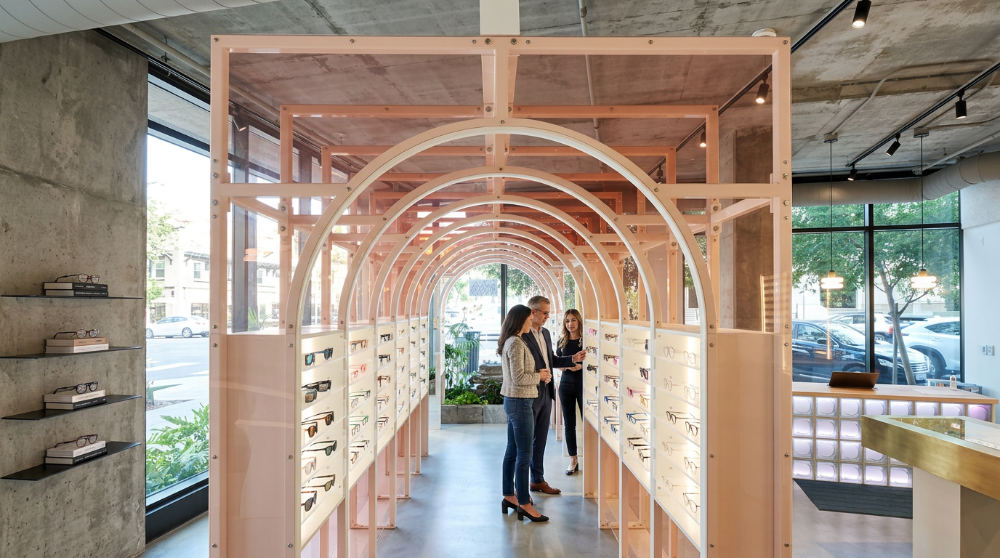
Professional Advice: Specialized eye spas offer sterile alternatives for those seeking to support eye health without the risks associated with mass-market generics.
We prioritize patient safety. Our team recommends curated solutions that avoid the risks of large-scale generic manufacturing. By focusing on smaller, reputable manufacturers with transparent quality control, we help you steer clear of the uncertainty surrounding big-box retail brands. Professional-grade eye wellness services utilize controlled environments. They use high-quality formulas.
Consulting a specialist in San Diego allows for personalized monitoring. Retail pharmacy counters simply cannot provide this. We take the time to understand your specific ocular surface needs. This supports the use of drops that are appropriate for your unique physiology. This independent approach ensures every product meets the high standards we set for our own families.
Safer Alternatives for Dry Eye Relief in San Diego
Move away from risky generics. We suggest transitioning to preservative-free, professional-grade lubricants recommended by a qualified provider. Many patients find that high-quality eye drops for dry eyes offer superior comfort. They lack the harsh preservatives and fillers often found in mass-produced alternatives. These clinical-grade options support the natural tear film without introducing foreign substances.
At EYE EYE, we focus on long-term ocular health. We pair independent designer frames with high-quality vision solutions that support comfort. Our commitment to quality extends from the eyewear we source globally to the diagnostic tools we use in our Bankers Hill office. If you are concerned about your current supply of eye drops, bring your bottles to our location. We can perform a safety review.
Choosing an independent practice means you are more than a transaction. You are not a number in a high-volume supply chain. We empower our patients to SEE GOOD All the Time by choosing products backed by transparent manufacturing standards and expert oversight. If you need assistance verifying a product or want to explore safer ways to manage eye discomfort, you can book a safety check-up or call 619-815-5864 to speak with our team. Please visit our location at 2765 Fifth Ave Suite 15, San Diego, CA 92103 to browse our curated frame collection.
Frequently asked questions
Which eye drops are currently being recalled by the FDA?
The recall includes various store-brand sterile eye drops and Prednisolone Acetate Ophthalmic Suspension made by K.C. Pharmaceuticals. Major retailers involved include CVS, Walgreens, and Rite Aid. These products were flagged due to a lack of assurance regarding the sterility of the manufacturing facility, which could potentially lead to eye irritation or infection for users.
How do I know if my eye drops have been recalled?
Check the NDC codes on your bottle: 70748-332-02, 70748-332-03, and 70748-332-04 are the primary targets of the current action. You should also compare the lot number on your bottle to the official FDA recall list. If any of these identifiers match, you should discontinue use immediately and consult a professional for guidance.
Can I get a refund for recalled eye drops at San Diego CVS or Walgreens locations?
Major retailers typically offer solutions such as refunds or store credit for products subject to an official FDA recall. To claim a refund, bring the original packaging or your digital receipt to the pharmacy counter at your local store. The staff can verify the lot number and process the return based on the manufacturer’s recall instructions.
Where can I find an eye doctor in San Diego if I am worried about a recalled product?
EYE EYE San Diego Optometry in Bankers Hill offers comprehensive exams to check for signs of irritation or issues associated with contaminated products. Our team uses advanced diagnostic technology to evaluate your eye health thoroughly. You can call 619-815-5864 to schedule a safety check-up with a local specialist at our 2765 Fifth Ave location.
What are the symptoms of potential concern after using contaminated drops?
Common signs include persistent redness, light sensitivity, and eye pain. You should also watch for yellow or green discharge and a persistent feeling like something is stuck in the eye. If you notice these symptoms after using a recalled product, seek medical attention promptly to ensure the health of your eyes is supported.
This information is for educational purposes only and does not constitute medical advice or a diagnosis. Please consult with a qualified eye care professional regarding your specific health situation.