Last updated September 15, 2026
Road safety after a glaucoma test depends entirely on which procedures your doctor performs. Standard pressure checks and visual field tests rarely impede your ability to drive. Pupil dilation is a different story. It causes significant light sensitivity and blurry vision for several hours. For many, operating a vehicle immediately after dilation is unsafe.
Table of contents
- Key takeaways
- The Relationship Between Glaucoma Screening and Driving Safety
- Comparing Different Glaucoma Tests and Their Effects
- Managing Light Sensitivity and Vision Changes
- When to Avoid Driving and Seek Alternative Transport
- Preparing for Your Appointment at EYE EYE San Diego
- Frequently asked questions
Key takeaways
- Dilation effects. Dilation drops typically cause blurry near vision and high light sensitivity for several hours.
- Numbing drops safety. Standard tonometry (pressure checks) using numbing drops generally does not impact driving ability.
- Non-invasive diagnostics. Visual field tests and optic nerve imaging are non-invasive and do not cause vision impairment.
- Glare risks. Daytime driving post-dilation is often more difficult than nighttime due to extreme glare.
- Essential protection. Quality polarized sunglasses are essential for managing light sensitivity after your exam.
The Relationship Between Glaucoma Screening and Driving Safety
Glaucoma is often described as a condition that can affect the optic nerve and peripheral vision. Because these changes often occur so slowly you won’t notice them at first, regular screenings are vital. Many clinics prioritize a clear view of the retina and optic nerve. By expanding the pupil, we may identify early structural changes that might otherwise stay hidden during a standard checkup.
Pro Tip: If you must drive after your appointment, wait at least 30 minutes in our clinic to gauge how the drops are affecting your specific light sensitivity.
Blurred vision and light sensitivity are the primary factors affecting road safety. When the pupil is artificially enlarged, it cannot constrict to block out excess light. This leads to a "washed out" visual field. Before we administer any drops, we talk about your transportation plans. Most patients find their vision returns to a functional state after several hours. During this window, your ability to react to sudden movements or changes in light is significantly compromised. Do not risk it.
Comparing Different Glaucoma Tests and Their Effects
Whether you can drive immediately depends on which part of the glaucoma screening you received. Tonometry measures internal eye pressure using numbing drops. These do not cause the blurriness associated with dilation. Instead, they allow the instrument to touch the surface of the eye comfortably. According to general medical resources, understanding glaucoma test results involves corneal thickness measurements and eye pressure checks. These usually allow you to remain mobile.
Visual field tests measure the full extent of what you see. They have zero physical impact on your ability to drive home to Bankers Hill. These tests involve looking into a machine and clicking a button when you see flashes of light. This evaluates your peripheral awareness without any chemical interference. Similarly, optic nerve imaging uses advanced technology to map the eye without affecting your focus. A dilated exam, however, uses medication to expand the pupil. While necessary for a thorough health check, it results in significant glare.
| Procedure | Effect on Vision | Driving Recommendation |
|---|---|---|
| Tonometry (Pressure Check) | Minimal (Numbing only) | Usually safe immediately |
| Visual Field Test | None | Safe immediately |
| Optic Nerve Imaging | None | Safe immediately |
| Pupil Dilation | Blurry near vision/High glare | Avoid until vision stabilizes |
Managing Light Sensitivity and Vision Changes
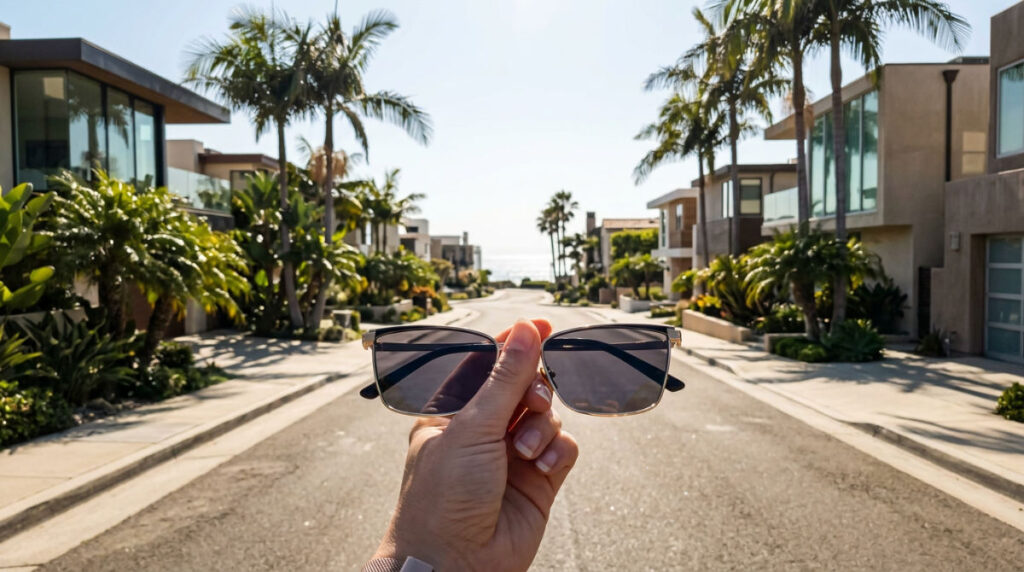
Pupil dilation temporarily stops the eye from constricting. This leads to overwhelming glare during sunny San Diego days. The sun reflecting off other cars or the pavement can become blinding. Wearing high-quality independent designer sunglasses significantly reduces discomfort and improves visual clarity. Polarized lenses are particularly effective because they filter out the horizontal light waves that cause the most intense glare.
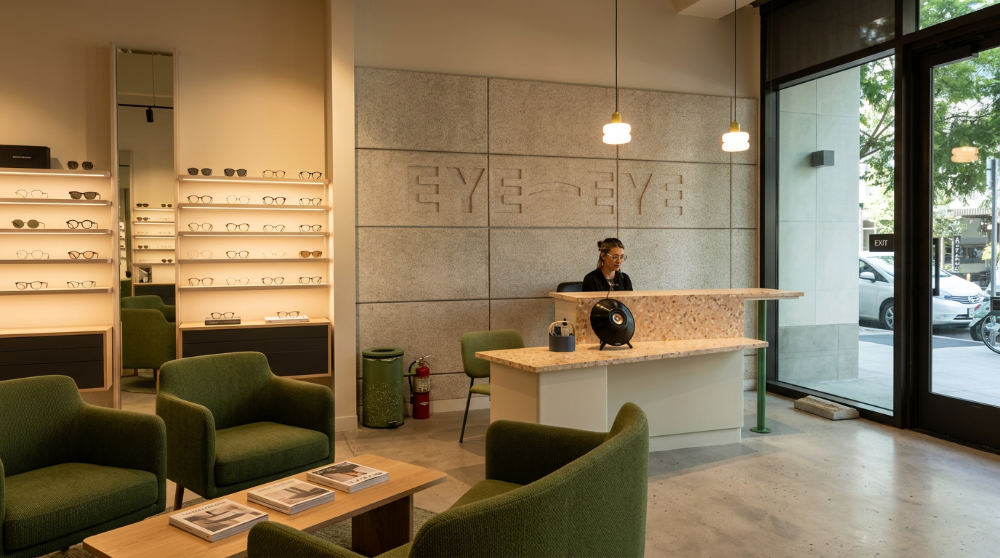
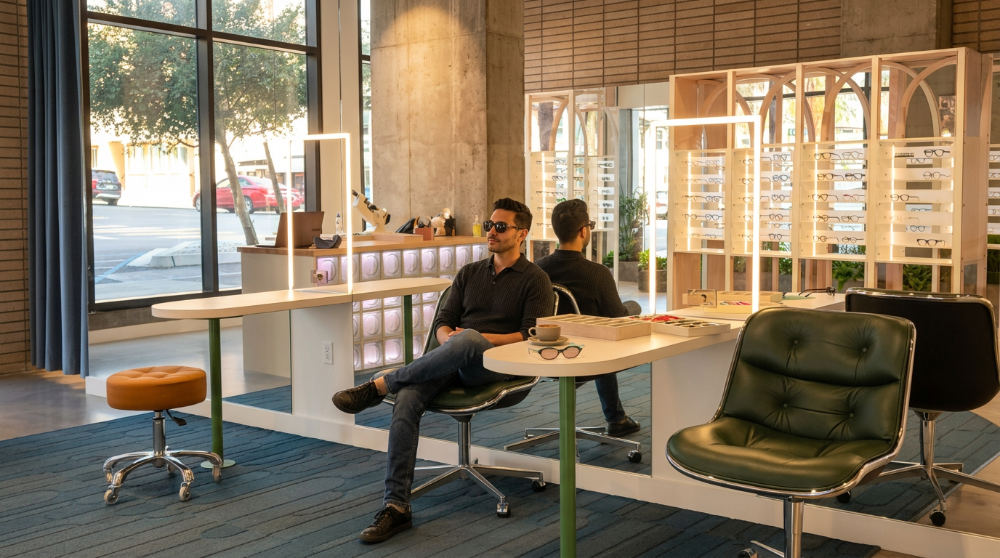
If you are experiencing post-exam sensitivity, feel free to browse our frames while your eyes adjust. Our shop features pieces from global brands like Yuichi Toyama and Moscot. We provide a comfortable space to wait out the strongest effects of the drops. Driving at night after dilation is just as dangerous due to the "halo" effect around streetlights and headlights. Because we avoid the corporate chain rush, you are welcome to rest in our space. Taking twenty minutes to relax in a dim environment helps the initial shock of the drops wear off before you step back into the bright California sun.
When to Avoid Driving and Seek Alternative Transport
You should avoid driving if your vision is significantly blurry. If you are sensitive to bright lights, these glaucoma screening side effects make it difficult to judge distances or see pedestrians. Do not drive if you feel any hesitation about your depth perception. Even if your distance vision feels "mostly" okay, dilation affects how quickly you can focus between the dashboard and the road. Patients with light-colored eyes or those taking certain medications may experience more intense or prolonged effects.
Safety First: Never assume your vision is fine just because you can see ‘well enough.’ Dilation significantly slows your reaction time to sudden light changes.
Bankers Hill offers excellent walkability. If you are an optometrist Bankers Hill San Diego patient, many local cafes are within walking distance to wait for your vision to stabilize. Taking a stroll to a nearby park or grabbing a coffee is a great way to let the recovery window pass without stress. Arrange for a ride-share. Ask a friend to pick you up if this is your first time being dilated. Safety is paramount to ensuring you continue to SEE GOOD All the Time. Never push through significant visual discomfort to operate a vehicle.
Preparing for Your Appointment at EYE EYE San Diego
The best way to handle a glaucoma screening is to plan your day around the recovery period. Schedule your comprehensive eye exams in San Diego at a time when you do not have immediate high-stakes driving commitments or heavy computer work. Bring your current prescription sunglasses. Talk to us about custom polarized options from our independent brands to ensure you have the best protection for the trip home.
Inform our team of your schedule. We can often tailor the timing of diagnostic drops. If you have a specific meeting, we can adjust the flow of the exam. Early identification through regular screening is a standard way to support long-term ocular health. Our practice uses advanced diagnostic technology to monitor your optic nerve without the impersonal feel of a high-volume center. If you have questions about how a specific test will affect your afternoon, just ask.
Regular eye health checks are a highly effective way to support your vision for life. If it has been over a year since your last check-up, please book Appointments online or contact our office directly by calling 619-815-5864. SEE GOOD All the Time.
Frequently asked questions
How long after an eye exam can you drive?
For most, it takes 4 to 6 hours for dilation to wear off. If your eyes were not dilated and you only had a pressure check or visual field test, you can usually drive immediately. Wait until you can clearly read a license plate at a distance and no longer feel blinded by sunlight.
Can you drive after having eye pressure checked?
Yes. Tonometry (the pressure check) uses numbing drops that do not affect the pupil’s ability to react to light. These drops may feel slightly thick for about a minute, but they do not cause the prolonged blurriness associated with dilation. You can typically resume driving as soon as the liquid clears from your lashes.
Do you need a driver for a glaucoma test?
It is highly recommended, especially for your first dilation or if you have a history of light sensitivity. Having a driver allows you to stay relaxed while the drops work through your system. Many patients at our Bankers Hill location use ride-share services so they don’t have to worry about parking or glare.
Is it safer to drive in the daytime or at night after being dilated?
Neither is ideal. Daytime sun causes extreme glare that can be physically painful and wash out your vision. Nighttime driving is hazardous because the enlarged pupil causes significant starbursts and halos around lights, making it very difficult to judge the distance of oncoming traffic.
Do numbing drops used for eye pressure checks make my vision blurry?
Numbing drops typically do not cause blurriness because they do not change the size of your pupil. Any slight haziness from the liquid usually clears within a few blinks. This is very different from dilating drops, which chemically affect the eye’s ability to focus on close objects.
This information is for educational purposes only. Please consult with a qualified eye care professional for medical advice regarding your specific condition.