
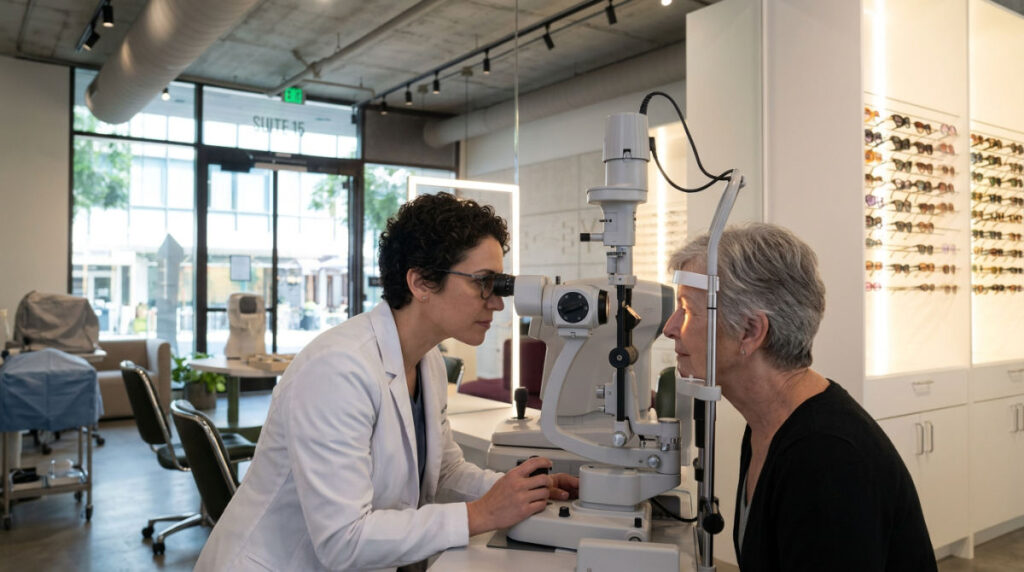
Last updated September 22, 2026
An eye test can detect Type 2 diabetes by allowing an optometrist to view the retina’s blood vessels directly. Indicators like leaking fluid, small hemorrhages, or swelling in the macula often appear in the eye before systemic symptoms. This makes comprehensive exams a vital diagnostic tool.
Table of contents
- Key takeaways
- The Connection Between Ocular Health and Type 2 Diabetes
- How Modern Diagnostic Technology Maps Retinal Damage
- Recognizing Early Warning Signs During Your Exam
- Diabetes Detection and Systemic Health in San Diego
- Why Annual Screenings Are Mandatory for Diabetic Patients
- Limits of Detection and When an Eye Test Isn’t Enough
- Prioritizing Your Vision Health in Bankers Hill
- Frequently asked questions
Key takeaways
- Visualizing blood vessels. The eye is the only part of the body where live blood vessels are visible without surgery.
- Early detection technology. Optical Coherence Tomography (OCT) identifies fluid leakage and swelling before vision loss occurs.
- Glucose and lens shape. Rapid blood sugar fluctuations can physically change the shape of the eye lens and blur vision.
- Proactive screening. Comprehensive exams in 2026 often identify diabetic markers in patients who believe they are healthy.
- High prevalence. More than half of people with diabetes will eventually develop some form of diabetic retinopathy.
The Connection Between Ocular Health and Type 2 Diabetes
Your eye is a direct indicator of your body’s vascular system. The retina is a light-sensitive tissue at the back of the eye where microvascular damage first becomes visible. High glucose levels weaken the walls of retinal capillaries. This leads to the early stages of diabetic retinopathy, a leading cause of vision impairment. A standard vision screening at a school or pharmacy only checks how well you see a chart. In contrast, a medical ocular assessment evaluates the internal anatomy where chronic disease markers hide.
Optometrists facilitate earlier systemic management of blood sugar through your primary care physician by identifying these changes early. We act as a first-line defender. We ensure that small changes in the eye do not lead to significant systemic health crises. Dilated eye exams are essential. During this process, the doctor uses drops to widen the pupil, which allows for a clear view of the retina and the optic nerve. Early signs of damage stay hidden behind the iris without this step.
The Window Metaphor: The eye is the only place in the human body where a doctor can see your blood vessels, arteries, and nerves in their natural state without an incision.
How Modern Diagnostic Technology Maps Retinal Damage
Advanced imaging captures microscopic changes in the blood vessels. This is the most effective way an eye test can detect type 2 diabetes. Modern diagnostic tools allow practitioners to see beneath the surface of the retina to find issues that were once invisible. At EYE EYE in Bankers Hill, we combine clinical excellence in a boutique setting with advanced technology to map your ocular health. Optical Coherence Tomography (OCT) is a non-invasive imaging test. Clinicians use it to capture high-resolution, cross-section pictures of the retina. It allows practitioners to see layers of tissue and identify microscopic fluid leakage.
Digital Retinal Imaging provides a wide-field view. This assists in tracking minute changes in vessel health over multiple years. It creates a historical record of eye health. In some clinical environments, providers use Fluorescein Angiography. This test involves a specialized dye to highlight specific areas of blood flow and blockage. Digital imaging also serves as a baseline for future comparisons. This data is crucial for patients with a family history of metabolic syndrome. We make more informed decisions about your care by seeing the progression or stabilization of your eye health.
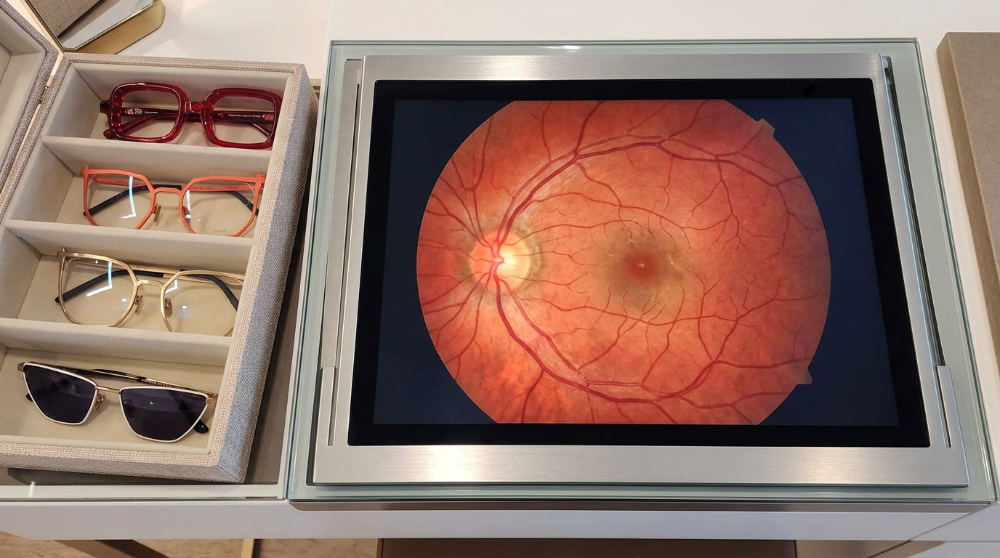
Pupil Dilation remains a critical step. It ensures the practitioner can view the peripheral retina for hemorrhages that might be missed in a non-dilated state. During a professional eye examination procedure, these tools work together. They create a comprehensive map of your circulatory health. We are an independent practice. Because of this, we dedicate the time necessary to walk you through these images. We explain what they mean for your vision and your overall wellness. Our goal is to provide clarity regarding your health. We ensure you feel comfortable throughout the technical process.
Recognizing Early Warning Signs During Your Exam
A diabetic retinopathy screening is the specific process of looking for damage caused by chronic high blood sugar. One of the most common findings during a diabetic eye exam is Diabetic Macular Edema (DME). This causes swelling of the macula and can significantly impact central vision clarity. Optometrists also look for "cotton wool spots." These are small, fluffy-looking fatty deposits on the retina that signal damaged nerve fibers. Another serious indicator is neovascularization. This involves the growth of fragile new blood vessels that are prone to leaking and can lead to scarring.
You can screen your vision using an online chart if you have noticed intermittent blurring. This quick check never replaces a clinical evaluation. Many of these signs, such as microaneurysms, can exist even if a patient currently maintains 20/20 visual acuity. Interior imaging is vital. The absence of blurry vision does not mean your eyes are healthy. Often, retinopathy exists in the periphery of the retina first. Your central vision stays clear while the disease begins to progress. Only a trained eye professional can find these hidden indicators.
Look beyond the surface if you are concerned about your systemic health or have a family history of metabolic issues. Understanding how your eyes reflect your internal health is a cornerstone of our philosophy to SEE GOOD All the Time. You can request an appointment to ensure your foundation of wellness is secure. We specialize in providing a relaxing environment. You can get answers to your most pressing health questions without feeling like just another number in a medical system.
Diabetes Detection and Systemic Health in San Diego
An eye test can detect heart problems and hypertension. It reveals irregularities in the way blood moves through your ocular veins and arteries. San Diego patients starting new medications for blood sugar control, such as GLP-1 agonists, often notice temporary vision shifts as their glucose levels stabilize. High sugar levels cause the lens of the eye to physically swell. This creates a temporary change in your prescription. It often resolves once levels are consistent. A thorough analysis of retinal vessels can also help identify markers for other health problems. These include liver issues that manifest as jaundice in the whites of the eyes.
We offer specialized Eye Spa treatments to support the ocular surface for patients managing chronic conditions. Diabetic individuals are often more prone to chronic dry eye symptoms. At EYE EYE, our personalized, non-corporate care allows for longer discussions about how your lifestyle in San Diego affects your eyes. We stay away from the rush of high-volume retail chains. We take the time to discuss how nutrition, exercise, and stress management play a role in maintaining your vision. Our comprehensive approach ensures that every San Diegan receives a personalized health plan.
San Diego Tip: If you are starting new medications like Ozempic, schedule a baseline exam in Bankers Hill to monitor for rapid retinal changes as your glucose levels stabilize. Rapid drops in blood sugar can sometimes trigger a temporary worsening of retinopathy before improvement begins.
Why Annual Screenings Are Mandatory for Diabetic Patients
Annual screenings are essential. An eye test can detect liver problems, heart issues, and diabetes long before you feel sick. According to data from Optometrists.org, diabetic retinopathy affects approximately 30 percent of people living with diabetes. Regular monitoring is a necessity. Early intervention and consistent screening can significantly reduce the risk of severe vision loss from secondary conditions. These include Glaucoma or Cataracts, which often progress faster in diabetic patients. Your optometrist will typically share the results with your primary care physician to coordinate any necessary adjustments to insulin or lifestyle habits.
Our curated frame styling helps patients select high-quality lenses for those experiencing vision fluctuations. These provide the best possible clarity during their health journey. Medical professionals generally recommend annual dilated exams for those at risk for metabolic syndrome. These exams allow for the detection of Diabetic Macular Edema (DME) before it causes permanent scarring. The damage from high glucose is cumulative. Missing even a single year of testing can allow silent damage to progress to a stage that is much harder to address.
Limits of Detection and When an Eye Test Isn’t Enough
An eye test is a powerful screening tool. However, a formal medical diagnosis of diabetes requires a blood glucose or A1C test administered by a physician. In some cases, very early "background" retinopathy may not be visible to the naked eye without the assistance of advanced OCT imaging. Environmental factors in Southern California, such as high UV exposure, can lead to the development of cataracts. These may cloud the practitioner’s view of the retina if they become advanced. A basic vision screening at a workplace or school is not a substitute for a medical exam. Screenings do not look at internal structures.
Some transient signs like lens swelling might not be present if your blood sugar is perfectly stable on the day of your exam. Consistent annual checkups are better than one-off visits. Patients who have lived with diabetes for many years may have different ocular needs than those who were recently diagnosed. Your optometrist will tailor the exam based on your history and current medication list. The eyes offer a clear window, but they are just one part of a multi-disciplinary approach to managing your total health. We work alongside your doctors to provide the most comprehensive care possible.
Prioritizing Your Vision Health in Bankers Hill
Your eyes provide a unique, non-invasive window into your circulatory and metabolic health. No other organ can offer this. Residents of San Diego should move beyond basic retail vision checks toward comprehensive medical ocular assessments. This is a vital step in proactive healthcare. Maintaining your sight requires more than just a prescription. It demands a focus on internal wellness and the right diagnostic support. Visit our clinic in San Diego if you are ready to prioritize your health and find eyewear that matches your personal style. To get started with a team that values independent care, please call 619-815-5864. We recommend the medical assessment over a quick screening every time; your long-term health depends on it.
Frequently asked questions
Can an eye test detect diabetes without dilation?
While some advanced wide-field imaging can see much of the retina, pupil dilation remains the gold standard for a full 360-degree view. Dilation allows the doctor to see peripheral hemorrhages that imaging might miss in the early stages. For the most thorough assessment of your health, dilation is usually recommended during your annual medical exam.
Can an optometrist see high blood sugar levels?
They cannot see the exact sugar number, but they can see the physical effects, such as a swollen lens or leaking vessels. Fluctuating vision is often a primary indicator that blood sugar is currently uncontrolled. The American Diabetes Association Eye Health notes that managing these levels is the best way to protect your long-term vision.
How soon after blood sugar spikes does vision change?
Vision can blur within hours or days of a significant spike as fluid enters the lens of the eye, changing its refractive power. It can take several weeks for vision to stabilize once blood sugar levels are brought back into a healthy range. You should wait for your levels to remain steady before getting a new prescription for glasses.
Will my optometrist report my results to my primary care doctor?
Yes, coordinated care is standard. Optometrists routinely send reports to GPs to help manage systemic treatment. This ensures your medical team has a full picture of how diabetes is affecting your end-organs like the eyes. This communication is a vital part of managing chronic metabolic conditions effectively.
Does insurance cover eye exams for diabetes screening?
Most medical insurance plans cover comprehensive eye exams when used to monitor or screen for chronic conditions like diabetes. Patients are encouraged to contact their insurance provider to verify specific coverage for medical versus routine vision care. Check your benefits before you schedule an eye appointment online in San Diego to understand your out-of-pocket costs.