
Last updated October 27, 2026
Thyroid eye disease (TED) is a complex autoimmune condition that requires careful monitoring to support your vision. This guide explores current data regarding its prevalence, risk factors, and ocular impact. By understanding these 2026 statistics, you can better recognize the early signs and seek professional guidance to help maintain your ocular health.
Table of contents
- 1. Approximately 90% of thyroid eye disease patients also have Graves’ Disease.
- 2. A significant percentage of people with Graves’ Disease may develop thyroid eye disease over time.
- 3. Vision loss can occur in rare cases due to optic nerve compression.
- 4. Bulging eyes and eyelid retraction are hallmark ocular symptoms of thyroid disease.
- 5. Diagnosis often requires a combination of blood tests and advanced imaging.
- 6. Smoking is a significant environmental factor that may worsen thyroid eye disease.
- 7. The condition typically follows a progressive inflammatory phase.
- 8. Thyroid eye disease can manifest in only one eye or affect both unequally.
- 9. Thyroid eye disease is more frequently diagnosed in women.
- How to Manage Ocular Changes and Dryness in San Diego
- Monitoring Your Vision with Advanced Technology
- Frequently asked questions
1. Approximately 90% of thyroid eye disease patients also have Graves’ Disease.
The vast majority of people diagnosed with this condition also deal with Graves’ Disease, an autoimmune disorder that typically causes the thyroid gland to overproduce hormones. This correlation exists because the immune system may target the fat and muscle tissues behind the eyes, leading to inflammation that mirrors the systemic thyroid response. However, evidence indicates that some people with ocular symptoms actually have normal or under-functioning thyroid levels. A hyperthyroid diagnosis is not always present to experience the orbital swelling associated with this condition. It is also observed in some patients diagnosed with Hashimoto’s disease, which involves autoimmune hypothyroidism. If you have been diagnosed with any thyroid-related autoimmune disorder, establish a baseline with a specialist to monitor for changes in your vision or eye comfort. Observation of these inflammatory markers is an important part of supporting long-term ocular function.
Source: Thyroid Eye Disease Progression and Symptoms
2. A significant percentage of people with Graves’ Disease may develop thyroid eye disease over time.
Having a thyroid imbalance does not mean you will definitely face ocular complications, but the risk is significant enough to warrant professional vigilance. Research indicates that many Graves’ patients will show some sign of orbital involvement. The development of these symptoms is often progressive rather than immediate, requiring long-term monitoring by an eye specialist in San Diego. A significant portion of these patients only experience a mild form of the condition characterized by minor inflammation or irritation. A smaller percentage of patients develop more involved clinical forms that impact daily functioning or vision quality. Because the onset can be subtle, we recommend that anyone with a thyroid condition Appointments to track their ocular health over time. Consistent check-ups ensure that if you move from the mild to a more active phase, you have a clinical history to inform your care.
Source: Lowcountry Eye Specialists
3. Vision loss can occur in rare cases due to optic nerve compression.
While many cases of thyroid eye disease involve manageable discomfort, there is a risk when the inflammatory response becomes aggressive. Swelling of the muscles and fat behind the eye can put pressure on the optic nerve, which acts as the communication cable between the eye and the brain. This compression may lead to potential permanent damage if not addressed by a medical professional. Beyond nerve issues, changes in eyelid position due to swelling can lead to irritation or issues with the cornea, the clear front window of the eye. While extreme outcomes are rare, double vision (diplopia) and blurry vision are common early warning signs that should prompt a comprehensive exam. If you notice a sudden change in how you perceive color or a decrease in your peripheral vision, seek professional clinical evaluation to check for nerve involvement.
Source: Lowcountry Eye Specialists
4. Bulging eyes and eyelid retraction are hallmark ocular symptoms of thyroid disease.
One of the most recognizable signs of TED is proptosis, or the "bulging" appearance of one or both eyes. This occurs because the orbital tissues behind the globe become inflamed, physically pushing the eye forward. Eyelid retraction, where the lids pull back and expose more of the white of the eye, often accompanies this, leading to a startled expression. These changes often result in red, watery eyes and a persistent gritty sensation similar to chronic dry eye. EYE EYE offers an Eye Spa, which provides specialized services for eye comfort and relaxation to help with these gritty, dry symptoms. These sessions focus on soothing the ocular surface and helping you manage the daily irritation that stems from increased exposure. Supporting the surface health of the eye is an important part of monitoring the condition as it runs its course.
Source: American Association of Clinical Endocrinology
5. Diagnosis often requires a combination of blood tests and advanced imaging.
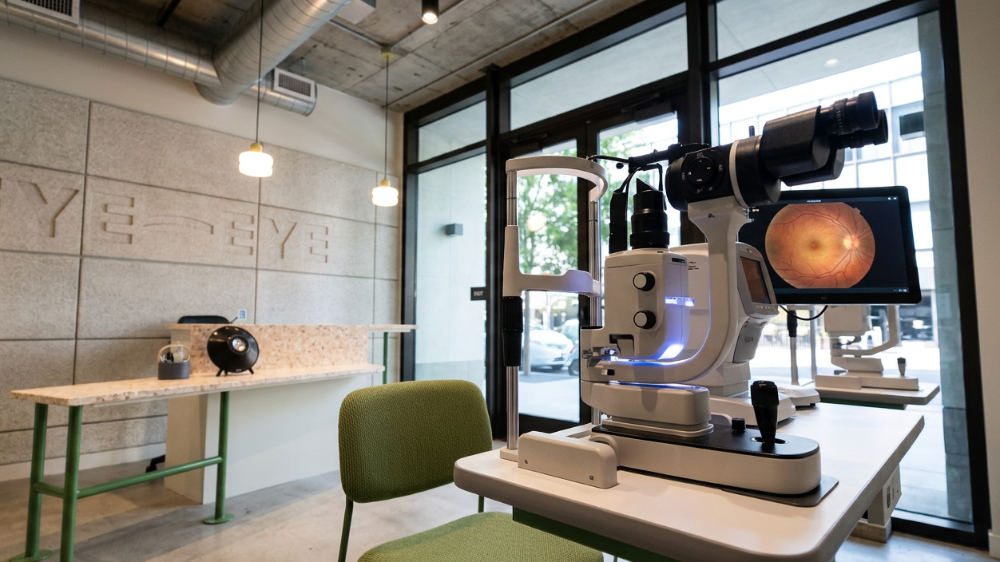
Confirming a diagnosis of thyroid eye disease isn’t always as simple as a standard vision screening. Medical providers typically start with blood tests to check thyroid hormone levels and the presence of specific antibodies, often managed by an endocrinologist. To see what is happening physically behind the eye, CT or MRI scans are used to visualize the swelling of muscles and fat tissues. Our Bankers Hill practice utilizes advanced diagnostic technology to provide the personalized monitoring often used for progressive autoimmune eye conditions. During these visits, we may perform a comprehensive evaluation to monitor the health of the optic nerve and visual field. By combining systemic data from your blood work with detailed ocular imaging, we can create a clearer picture of how the condition is progressing and how it might impact your sight.
Source: American Association of Clinical Endocrinology
6. Smoking is a significant environmental factor that may worsen thyroid eye disease.
Lifestyle choices play a large role in the severity of autoimmune eye conditions. Smoking is a primary risk factor for more rapid disease progression. Compounds in tobacco smoke may increase the severity of inflammation and swelling behind the eye, potentially leading to more visible proptosis and a higher risk of vision complications. Clinical data shows that smokers often respond differently to management strategies than non-smokers do. Cessation is strongly recommended as part of a lifestyle approach to managing autoimmune-related ocular symptoms. Reducing this environmental stressor helps support a stable immune response and may lower the chances of the condition moving into a more aggressive stage. If you are struggling with the gritty sensations associated with smoking and inflammation, specialized lubrication can provide temporary relief, but addressing the underlying habit is an effective way to support your long-term eye health.
Source: American Association of Clinical Endocrinology
7. The condition typically follows a progressive inflammatory phase.
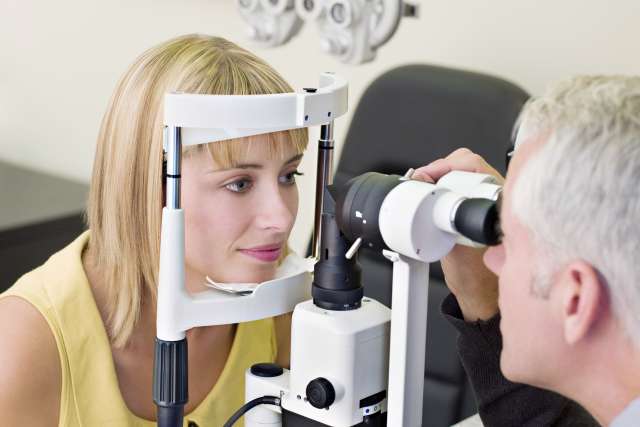
Image source: uclahealth.org
Thyroid eye disease is characterized by an active period of inflammation followed by a stable or "burnt-out" phase. During the initial active stage, patients may experience swelling, redness, and discomfort as the immune system interacts with the orbital tissues. This phase can last for a variable period of time, requiring frequent visits to an eye doctor in San Diego to monitor for any changes in vision or eye pressure.
As the inflammation subsides, the disease enters a stable phase where the active swelling stops. However, tissue changes typically remain as a result of the prior inflammatory process, which can lead to permanent changes in eye position or eyelid function. Management strategies differ depending on which phase the patient is in, making ongoing observation vital. Because the transition between these phases can be subtle, consistent professional oversight helps ensure that management approaches are appropriate for the current state of the condition.
Source: Lowcountry Eye Specialists
8. Thyroid eye disease can manifest in only one eye or affect both unequally.
One of the challenging aspects of thyroid eye disease is that it does not always present symmetrically. While many autoimmune conditions affect both sides of the body equally, TED can cause noticeable facial asymmetry if inflammation progresses at different rates in each eye. In some cases, the condition may even appear to manifest in only one eye, a state known as unilateral involvement.
Monitoring by an eye specialist in San Diego is helpful to track bilateral or unilateral changes throughout the year. Patients with eye asymmetry or proptosis from TED can benefit from our handpicked, independent designer frames and professional frame styling to find a look that feels personal. The right eyewear can help balance the visual appearance of the face while providing comfort. Because the degree of bulging or retraction can fluctuate, having a professional to assess these physical shifts is beneficial for both your ocular health and your confidence.
Source: Lowcountry Eye Specialists
9. Thyroid eye disease is more frequently diagnosed in women.

Demographic data regarding thyroid eye disease shows a higher prevalence among female patients compared to males. While the reasons for this gender disparity are still being studied, it is often associated with other autoimmune markers and a family history of thyroid dysfunction. Women are statistically more likely to be diagnosed with Graves’ disease, which may increase the likelihood of developing related ocular complications.
Personalized eye care is important for tracking hormone-related ocular changes and helping to protect the cornea. When the eyelids do not close fully due to retraction, the surface of the eye can become dry, leading to potential irritation. Understanding these demographic risks allows for earlier screening. By staying proactive with regular exams, women with a history of thyroid issues can monitor for the early signs of orbitopathy.
Source: Lowcountry Eye Specialists
How to Manage Ocular Changes and Dryness in San Diego
Managing the daily discomfort of thyroid eye disease often centers on supporting the ocular surface. If you notice a gritty sensation or increased light sensitivity, it may be linked to the stages of TED or chronic dry eye in San Diego. When eyelid retraction affects proper blinking, the natural tear film may evaporate too quickly, leaving the eye vulnerable. Using specific lubrication can help maintain moisture and protect the cornea from environmental irritants.
At EYE EYE, we recommend our specialized Eye Spa services to provide comfort for the irritation associated with autoimmune eye changes. These sessions are designed to soothe the ocular surface and support the quality of your tears. As an independent practice, we offer a personal level of care that focuses on your specific ocular health journey. Whether you are in the active inflammatory phase or the stable phase, addressing these surface-level symptoms is a critical part of maintaining your quality of life. Proper lubrication helps improve comfort and supports the eye against complications associated with chronic exposure.
Monitoring Your Vision with Advanced Technology
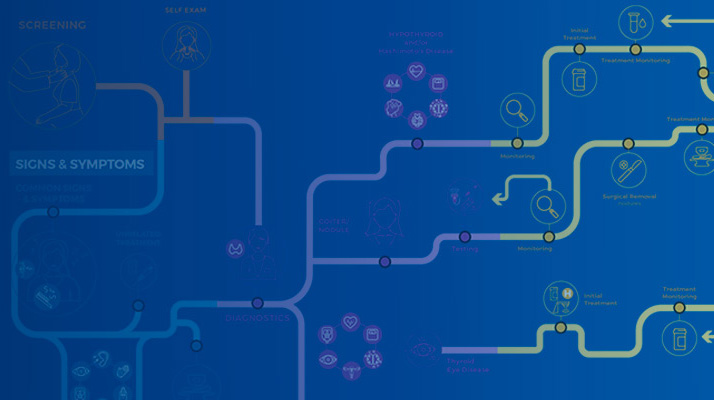
Image source: aace.com
Regular eye exams are vital for anyone diagnosed with Graves’ disease to check for changes in eye pressure and the health of the optic nerve. Because TED can cause the muscles behind the eye to swell, the resulting pressure can sometimes impact blood flow to the nerve, which may affect vision. Advanced diagnostic technology allows for measurement of proptosis and tissue inflammation over time, giving your provider the data needed to monitor the condition.
Professional frame styling can help those experiencing eye asymmetry feel more confident while navigating the stable phase of the disease. Our team helps you select eyewear that complements your unique features and accommodates any changes in your eye position. For residents seeking comprehensive monitoring, you should schedule an eye appointment online to help ensure your vision remains stable. By combining diagnostic tools with a focus on personal style and comfort, you can manage the physical and visual effects of thyroid eye disease.
Frequently asked questions
What are the ocular symptoms of thyroid disease?
Common signs include bulging eyes (proptosis), eyelid retraction, and a persistent gritty or dry sensation. Patients may also experience double vision, light sensitivity, and redness in the white parts of the eyes. These symptoms occur when the immune system causes inflammation in the tissues surrounding the eye.
How does an optometrist monitor thyroid eye disease?
Monitoring involves regular visual field tests, checking eye pressure, and assessing the health of the optic nerve. We use advanced technology to track changes in the eye’s physical structure and vision quality. Consistent testing helps identify if the disease is in the active or stable phase.
Does San Diego eye care for TED include dry eye services?
Clinics that offer this condition’s management typically provide surface support to alleviate irritation. We offer our Eye Spa to provide specialized comfort and relaxation for the ocular surface. These services help alleviate the discomfort caused by the inflammatory phase and support the cornea against excessive dryness.
Can I get specialized frame styling at EYE EYE San Diego to help with eye bulging or asymmetry?
Absolutely. We offer a curated collection of independent designer frames handpicked to help patients feel comfortable. Our stylists work with you to find frames that complement your features, regardless of any changes caused by TED, helping you feel confident in your appearance.
If you are experiencing changes in your vision or the appearance of your eyes, timely evaluation is a key way to support your ocular health. You can visit our location at 2765 Fifth Ave Suite 15, San Diego, CA 92103 to receive a comprehensive evaluation and personalized care plan. Call 619-815-5864 to SEE GOOD All the Time.
Note: This information is for educational purposes only and does not constitute medical advice, diagnosis, or treatment. Please consult with a qualified clinician regarding your specific health situation.