

Last updated November 10, 2026
To manage a lazy eye, it is important to first address underlying refractive errors with corrective lenses. Then, strategies like patching or atropine drops may be employed to support the weaker eye’s neural connection to the brain. We offer personalized management plans for both children and adults in our Bankers Hill office to support binocular vision. Our approach combines diagnostic technology with a focus on patient comfort. This helps promote long-term visual development.
Table of contents
- Key takeaways
- Understanding Amblyopia and Vision Development
- Prerequisites for Vision Management in San Diego
- 1. Schedule a comprehensive diagnostic exam
- 2. Correct refractive errors with precision lenses
- 3. Implement occlusion therapy through patching
- 4. Utilize atropine drops as an alternative
- 5. Support ocular health with supportive therapies
- Limits and Risks of Amblyopia Management
- Common Mistakes in Managing Lazy Eye
- Frequently asked questions
Key takeaways
- Early detection. Amblyopia is a common condition that stems from the brain favoring one eye over the other.
- Adult management. Early intervention is ideal, but vision management techniques may still be applied to adult patients.
- Treatment methods. Strategic patching or atropine drops are primary clinical methods to help maintain vision balance.
- Compliance factors. Properly fitted frames that the patient feels comfortable in can support treatment compliance in pediatric patients.
- Diagnostic precision. Advanced diagnostic screenings in Bankers Hill are designed to evaluate suppression patterns that might be overlooked during basic visual screenings.
Understanding Amblyopia and Vision Development
Amblyopia, commonly called lazy eye, is a vision development disorder. The brain and eye fail to work together. This lack of cooperation forces the brain to favor one eye and ignore signals from the weaker one. Left unmanaged during formative years, this may lead to long-term impairment. It is important to distinguish this from strabismus, which refers to misaligned or wandering eyes. While they are different conditions, strabismus is a leading contributor to amblyopia because the brain suppresses the image from the turned eye to avoid double vision.
Independent Advantage: As an independent practice, we provide deeply personal care tailored to the San Diego lifestyle. We avoid the one-size-fits-all approach of corporate chains.
Beyond muscle misalignment, refractive errors like anisometropia (where each eye has a significantly different prescription) often trigger vision suppression. In other cases, deprivation amblyopia occurs when physical obstructions, such as a congenital cataract, block light from entering the eye during critical development stages. Clinical observations suggest this condition is a significant concern for infants and toddlers in the United States. We focus on identifying these issues early through a comprehensive vision exam at our Bankers Hill practice. We aim to ensure physical obstructions or prescription imbalances are addressed to support long-term development.
Prerequisites for Vision Management in San Diego
Establish a baseline first. You need a professional evaluation to differentiate between simple refractive issues and amblyopia. Initial diagnostic exams vary in length based on the specific tests required. Actual management strategies, such as patching, may span several months or even years. It depends entirely on the individual’s response.
- Professional assessment. A baseline evaluation by an eye doctor in San Diego is necessary to evaluate the condition. Comprehensive diagnostic exams for amblyopia at EYE EYE generally range from $150 to $300. This depends on the complexity of binocular vision testing required.
- Financial planning. High-quality independent designer frames represent an investment in long-term ocular health. Premium designer frames typically range from $300 to $600. Specialized pediatric frames often start around $150.
- Patient commitment. A dedication to consistent follow-up appointments is essential.
- Home environment. Success requires support. Children often resist wearing patches or glasses daily.
1. Schedule a comprehensive diagnostic exam
Begin with a detailed assessment at a specialized San Diego eye care facility like EYE EYE. You need to pinpoint specific vision suppression patterns. Standard "20/20" screenings often miss the nuances of how the eyes work together. We utilize advanced diagnostic technology to visualize how eyes track and function as a team. During this visit, be prepared to discuss your family medical history. Genetic factors often play a role in how vision disorders develop in children. Request a binocular vision assessment specifically. This determines if the issue is strictly refractive or involves eye muscle misalignment.
2. Correct refractive errors with precision lenses
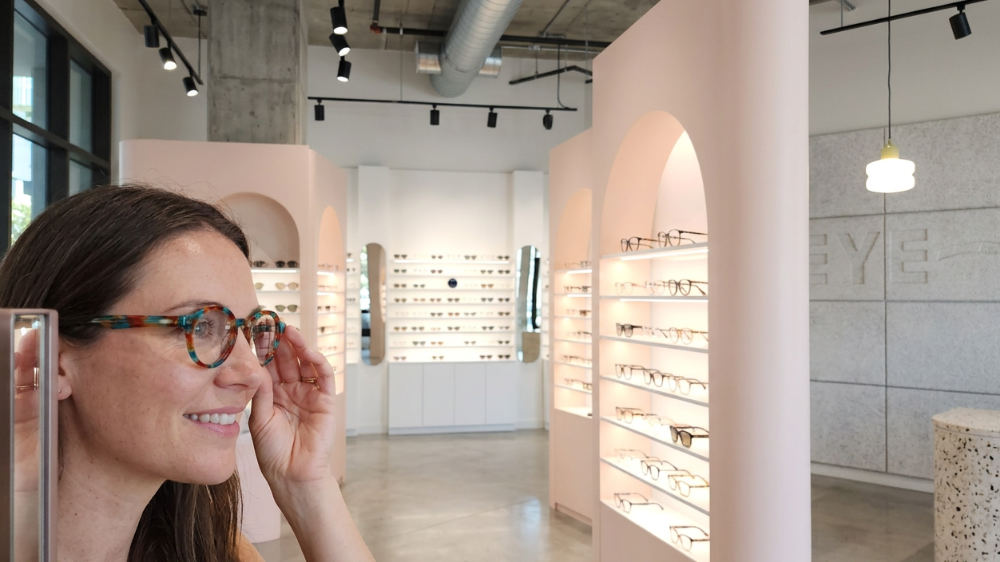 Obtain a precise prescription. Addressing nearsightedness, farsightedness, or astigmatism is an important early step. When one eye sees clearly and the other is blurry, the brain naturally favors the clearer image. Providing sharp focus to both eyes encourages the brain to use them equally. We leverage San Diego’s largest curated collection of independent designer frames to help patients feel aesthetically confident. This is vital for daily wear compliance. High-quality lenses with anti-reflective coatings can further reduce strain. For older patients who are active, a professional contact lens fitting may serve as an alternative to traditional spectacles.
3. Implement occlusion therapy through patching
Apply an adhesive or cloth patch over the stronger eye for a set number of hours daily. Follow your optometrist’s directions exactly. This process encourages the brain to process information from the weaker eye. It may help maintain and strengthen neural pathways.
Clinical Rule: Consistency is key. Whether using patches or drops, the goal is to help maintain steady visual input to the brain to support long-term development.
This method requires diligent monitoring for skin irritation. Watch for emotional distress in younger children who may feel self-conscious. Consistency is the most critical factor. Even missing a few days can slow progress. A typical scenario involves a child wearing a patch for two to six hours a day. They should engage in "near work" like reading or drawing to stimulate the weaker eye’s focus. This technique is a cornerstone of how to manage a lazy eye when detected early. Results vary.
4. Utilize atropine drops as an alternative
Discuss atropine therapy with us if physical patching is not tolerated. Atropine therapy works by temporarily blurring vision in the stronger eye. This encourages the brain to utilize the weaker eye for near tasks. Use of these drops can also lead to systemic side effects like dry mouth, skin flushing, or an increased heart rate. Clinical evidence indicates this can be an effective alternative to patching for many children. Administer the drops at the same time each day to maintain a consistent blurring effect. Be aware of light sensitivity or localized redness. Report these to your provider immediately. Because the eye remains dilated, children will need sunglasses when outdoors.
5. Support ocular health with supportive therapies
Integrate ocular wellness practices to manage secondary issues like digital eye strain. Dry eye can make wearing corrective lenses uncomfortable. A personalized Eye Spa experience helps maintain overall ocular health by supporting the quality of the tear film. If you are seeking dry eye management in San Diego while managing amblyopia, we can tailor a plan that protects the eye without interfering with your primary vision therapy. You can also practice "near-far" focusing exercises if recommended by a professional. These are typically supportive rather than a primary solution. A balanced diet also supports the overall ocular health required for vision processing.
Limits and Risks of Amblyopia Management
Management is possible at any age. However, results for adults are often more limited. They take longer than for children due to decreased neuroplasticity. The most significant window for vision development occurs in early childhood. Recent studies suggest the adult brain retains some ability to adapt, though it is slower. One specific risk to monitor is the potential for reduced visual acuity in the stronger eye. This happens if patching protocols are not carefully followed and monitored by a professional. Strabismus-related amblyopia may sometimes require surgical intervention. Patients with severe structural damage to the retina may not see significant improvement with standard patching protocols alone.
Common Mistakes in Managing Lazy Eye
Do not assume a child will "grow out of" a wandering eye. This is a frequent error. Delay can lead to long-term vision challenges in the affected eye. Another common pitfall is choosing ill-fitting or low-quality frames that slip down the nose. If a child looks over their lenses rather than through the corrective center, the management process is hindered.
- Early cessation. Discontinuing patching therapy too early is a mistake. The eyes may look "straight," but the neural connection might still be weak.
- Ignoring aesthetics. Neglecting the psychological impact of glasses leads to failure. Children who hate their frames won’t wear them.
- Overlooking surface health. Failing to address dry eye can make patches or drops feel intolerable.
Frequently asked questions
What are the management options for amblyopia in adults?
Adults can benefit from updated refractive prescriptions and specialized vision therapy programs. Recent research suggests that the adult brain retains some plasticity, allowing for vision improvement through dedicated clinical management even later in life. Diagnostic technologies help identify specific suppression patterns in adult patients to create a more targeted approach than standard exams. This is essential for anyone researching how to manage a lazy eye later in life.
Can eye exercises help with a lazy eye?
Exercises alone are rarely a primary solution but may support binocularity when used alongside patching or glasses. They are most effective when supervised by a professional as part of a structured vision therapy plan. Self-administered "pencil push-ups" or generic online exercises without a professional comprehensive vision exam are generally not recommended and may delay proper care.
Where can I find specialized San Diego eye care for vision screening?
EYE EYE in Bankers Hill offers comprehensive vision exams using advanced technology tailored to the San Diego lifestyle. Independent practices provide a more personalized, thorough approach compared to corporate optical chains. You can find us at 2765 Fifth Ave Suite 15, San Diego, CA 92103 for detailed diagnostic assessments that look beyond basic visual acuity.
Can independent designer frames help my child feel better about wearing glasses?
Unique, stylish frames can turn a medical necessity into a fashion statement, significantly boosting a child’s confidence and willingness to follow their management plan. Higher-quality materials often provide a more comfortable and stable fit, which is essential for ensuring the child looks through the corrective part of the lens. We handpick artisanal frames that help patients express their personal style.
What should I expect during a dry eye management session in San Diego if I also have a lazy eye?
We ensure that dry eye therapies, like those in our Eye Spa, do not interfere with your amblyopia management plan. Managing the tear film is vital for maintaining clear vision through the corrective lenses required for lazy eye therapy. Management is personalized to ensure comfort, especially if you are also using clinical drops as part of your therapy.
If you or your child are experiencing symptoms like squinting, head tilting, or blurred vision in one eye, it is time for a professional evaluation. See a doctor promptly if you notice a sudden change in vision or a new eye turn. To get started on a personalized path toward better vision, book your vision exam at our Bankers Hill office at 2765 Fifth Ave Suite 15, San Diego, CA 92103. Call 619-815-5864 to speak with our team. We want you to SEE GOOD All the Time.
Note: This information is for educational purposes only and does not constitute medical advice or a diagnosis. Please consult with a qualified eye care professional for your specific visual needs.