

Last updated October 25, 2026
A popped blood vessel in the eye, clinically known as a subconjunctival hemorrhage, is a common occurrence that often looks more alarming than it feels. This guide covers how to monitor the condition, what to avoid during recovery, and how advanced diagnostic technology helps differentiate harmless spots from serious ocular issues.
Table of contents
- 1. Identify the bright red patch as a subconjunctival hemorrhage.
- 2. Consult an eye specialist if the hemorrhages are recurrent.
- 3. Distinguish between a subconjunctival hemorrhage and a hyphema.
- 4. Review your history of contact lens use and rubbing habits.
- 5. Avoid taking aspirin or blood-thinning medications while the eye recovers.
- 6. Monitor the spot for specific color changes similar to a skin bruise.
- 7. Rule out vision changes or pain to confirm the condition’s severity.
- 8. Minimize physical strain that increases ocular pressure.
- 9. Apply artificial tears to manage mild surface irritation.
- 10. Use a cold compress to help maintain comfort during the first 24 hours.
- 11. Evaluate the impact of blunt force trauma to the head or eye.
- 12. Check for signs of infection such as discharge or fever.
- How to Monitor and Manage Recovery at Home
- When to Transition to a San Diego Eye Specialist
- Frequently asked questions
1. Identify the bright red patch as a subconjunctival hemorrhage.
Finding a vivid red spot on the white of your eye is jarring. It is often less serious than it looks, however. This condition occurs when tiny capillaries break under the conjunctiva (the clear membrane covering the white of the eye). According to the Cleveland Clinic, the conjunctiva contains many tiny blood vessels called capillaries that break easily. Blood gets trapped under this transparent surface rather than becoming a scratch or an open wound. The sclera appears bright red or blotchy because the blood cannot escape or be washed away by tears. It is a bruise. A bruise on the eyeball. Because the membrane is clear, the blood is highly visible. Even a tiny amount looks like a major injury. Most patients notice it only when looking in a mirror. It rarely causes discomfort.
2. Consult an eye specialist if the hemorrhages are recurrent.

A single episode is usually benign. Frequent occurrences warrant a closer look by a professional. EYE EYE San Diego uses advanced diagnostic technology in Bankers Hill to differentiate between harmless hemorrhages and serious ocular pressure issues. If you deal with a popped blood vessel multiple times a year, it might be a signal of a systemic health issue. Frequent broken vessels may indicate high blood pressure or blood clotting disorders. We focus on thorough evaluations to help you understand the factors influencing your ocular health. A comprehensive exam can determine if there is a specific trigger for these breaks. We view your ocular health as part of your total body wellness. If you are concerned about repeat episodes, you should schedule a comprehensive eye exam to rule out these chronic concerns.
3. Distinguish between a subconjunctival hemorrhage and a hyphema.
You must know exactly where the blood is located. A subconjunctival hemorrhage stays on the white part of the eye, known as the sclera. In contrast, a hyphema involves blood pooling inside the front chamber. This might cover the pupil or the iris (the colored part). Blood appearing over the dark part of the eye is a serious issue. It requires immediate professional evaluation. A hyphema is often painful and can cause vision loss or dangerous spikes in internal eye pressure. If you see blood collecting behind the cornea rather than just sitting on the white surface, do not wait for it to clear. A surface bruise is typically harmless. Internal bleeding is a threat to your sight.
4. Review your history of contact lens use and rubbing habits.
Mechanical irritation is a common culprit. A vessel snaps. Aggressive eye rubbing is a direct cause of ruptured capillaries and you must avoid it entirely. Properly fitted contact lenses are essential. Lenses worn for too many hours or those that fit poorly cause surface trauma to the conjunctiva. If you suspect your wear habits are to blame, we provide professional contact lens fittings to ensure your lenses sit correctly without causing friction. Our Eye Spa services can also help maintain healthy eye surfaces by reducing the irritation and dryness that leads to chronic eye rubbing. Address the root cause of the itch. This helps you avoid the physical trauma that results in a red blotch. If your eyes feel constantly gritty, you might be dealing with underlying dryness. This makes surface vessels prone to breaking under pressure.
5. Avoid taking aspirin or blood-thinning medications while the eye recovers.
Be mindful of your medicine cabinet. Aspirin and similar products can increase bleeding. They may prolong the time it takes for the spot to disappear. These medications interfere with the blood’s ability to clot, which can cause the small hemorrhage to spread further across the sclera. If you need pain relief for an unrelated ache, you may consider options that do not have the same blood-thinning effects. Consult a professional regarding suitable alternatives. You must always consult a healthcare provider before stopping any prescribed blood thinners used for heart health or stroke prevention. In those cases, the benefit of the medication outweighs the cosmetic concern of a red eye. Recovery might take a few extra days if you are on a daily aspirin regimen.
6. Monitor the spot for specific color changes similar to a skin bruise.
Natural recovery doesn’t happen overnight. You can track it by watching the colors change. The red patch will likely shift from bright red to brown, purple, or yellow as the body reabsorbs the blood. This color progression is a sign of healthy recovery. It indicates that the stagnant blood is being broken down and cleared away. According to MyHealth Alberta, it typically takes 2 to 3 weeks for the blood from a subconjunctival hemorrhage to go away completely. Track this progression daily in a mirror. This helps confirm the eye is moving through the stages of recovery correctly. If the spot remains bright red after a week, call us. If it appears to be getting larger and thicker instead of fading into a yellow hue, it is time for a professional check.
7. Rule out vision changes or pain to confirm the condition’s severity.
A hallmark of a standard broken blood vessel is that it should not hurt. The condition is typically painless. A very slight scratchy sensation may occur because the blood creates a tiny elevation on the eye surface. Most importantly, it should not cause any changes in your ability to see clearly. If a red spot is accompanied by a dull ache, sharp pain, or blurry vision, the condition may be more serious than a simple hemorrhage. These symptoms suggest that the trauma might be deeper. The pressure inside the eye may be elevated. If you experience light sensitivity or a sudden drop in visual clarity along with the redness, seek an eye exam immediately to ensure the integrity of your ocular structures. Surface bruises are cosmetic. Pain and vision loss are clinical red flags.
8. Minimize physical strain that increases ocular pressure.

Image source: my.clevelandclinic.org
Sudden pressure spikes within the body can cause the fragile capillaries in the eye to snap. Common triggers include heavy lifting, intense sneezing, coughing fits, or vomiting. Even minor actions like bending over at the waist or straining during daily activities can briefly elevate ocular pressure enough to rupture a vessel. We recommend maintaining stable blood pressure levels to help support the health of surface vessels.
If you frequently experience these spots after physical exertion, your vascular walls may be particularly sensitive to temporary spikes. These breaks are usually harmless. They serve as a reminder to practice proper breathing techniques during exercise. Avoid holding your breath while lifting heavy objects. Reducing unnecessary strain supports the delicate vessels housed within the conjunctiva, helping you avoid the alarming appearance of a bright red sclera.
9. Apply artificial tears to manage mild surface irritation.
Lubricating drops will not change the biological reabsorption of blood. They are commonly used for managing the scratchy sensation that often accompanies a hemorrhage, however. When blood collects under the clear membrane of the eye, it can create a slightly raised area. This elevation sometimes causes the eyelid to rub against the surface, leading to a feeling of grit or dryness. Using artificial tears provides a protective buffer that minimizes this friction.
Seeking an evaluation for surface irritation can help identify if dryness is causing you to rub your eyes too frequently. Avoiding aggressive rubbing is one of the best ways to support the maintenance of healthy capillaries. If you find yourself needing drops more than four times a day, switch to preservative-free formulas. This helps maintain the ocular surface throughout the recovery phase.
10. Use a cold compress to help maintain comfort during the first 24 hours.
If you notice the break immediately after it occurs, a clean, cool cloth can help soothe the eye area. Applying a cold compress for eye swelling provides immediate relief for mild surface inflammation or puffiness around the lids. The cooling effect can also support the constriction of nearby vessels. This potentially limits the initial spread of the blood spot.
Avoid applying direct or heavy pressure to the eyeball itself. Gently resting a chilled cloth over the closed eyelid for ten minutes at a time is sufficient. Ensure the cloth is freshly laundered to prevent introducing bacteria to the eye area. The cold will not make the red spot disappear instantly. It improves comfort during the first day of recovery when the eye might feel heavy or irritated.
11. Evaluate the impact of blunt force trauma to the head or eye.
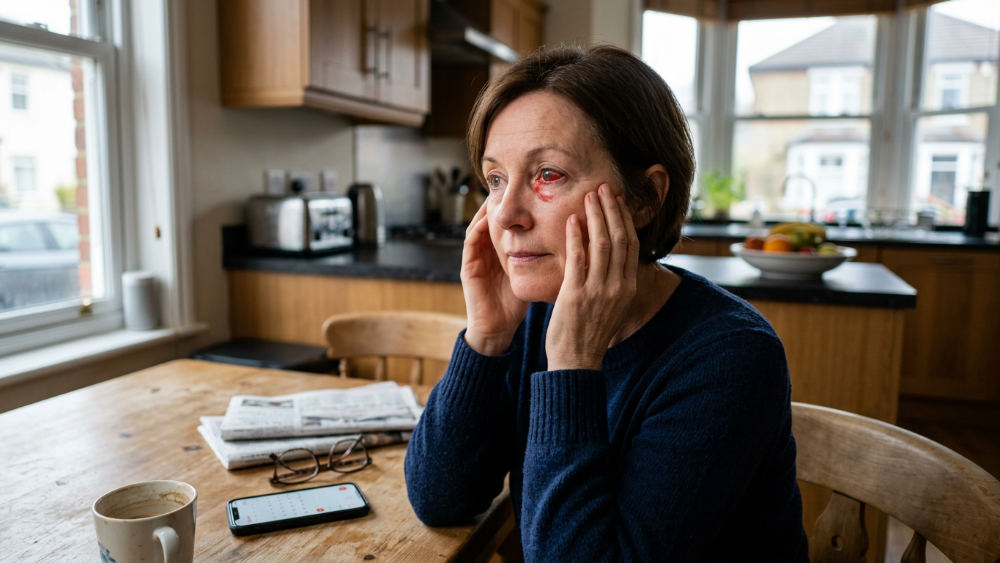
A broken vessel caused by a direct hit requires a professional evaluation. This includes sports injuries, falls, or an accidental blow to the face. Unlike a spontaneous break from a cough, trauma-related hemorrhages may hide deeper internal damage to the delicate structures inside the eye. University of Utah Health advises seeking an emergency evaluation if the injury resulted from a significant impact.
Medical professionals need to rule out a globe rupture or internal bleeding that could threaten your sight. Even if your vision seems normal initially, the force required to break a surface vessel can cause retinal issues or traumatic cataracts that manifest later. If the redness appeared immediately after an impact, do not assume it is just a bruise. Get a thorough checkup. Ensure that the internal components of your eye remain intact and functional.
12. Check for signs of infection such as discharge or fever.
Differentiate between a simple capillary break and a localized infection. Standard broken vessels do not cause pus, crusting, or thick yellow and green discharge. If you notice fluid leaking from the eye or if your eyelids are stuck together in the morning, the redness is likely caused by a viral or bacterial issue rather than a subconjunctival hemorrhage.
Eye redness accompanied by a fever can be a sign of a more significant health concern. It should be evaluated by a healthcare professional. Additionally, if the swelling extends beyond the white of the eye and involves the eyelids or the surrounding facial skin, it could indicate cellulitis or another serious inflammatory response. A simple popped vessel should remain confined to the sclera. It should not cause you to feel ill or experience significant warmth and throbbing in the eye socket.
How to Monitor and Manage Recovery at Home
Managing a popped blood vessel in the eye is largely a matter of patience and observation. During the first 48 hours, use a mirror to track the size of the spot. It is normal for the blood to spread slightly at first as it settles under the conjunctiva. It should not move toward the iris or cover the pupil. If the blood begins to pool in the front chamber of the eye, you must seek immediate professional care.
Avoid rubbing your eyes entirely. Mechanical friction can easily cause further capillary breaks and extend the recovery time. You should also refrain from heavy lifting or high-intensity workouts for a few days to keep your blood pressure stable. Track the color progression daily. The spot should move from a bright, alarming red to a darker brown or purple, eventually turning yellow before disappearing. This cycle indicates that your body is successfully reabsorbing the trapped blood. If the spot shows no change in color or size after two weeks, a follow-up is necessary.
When to Transition to a San Diego Eye Specialist
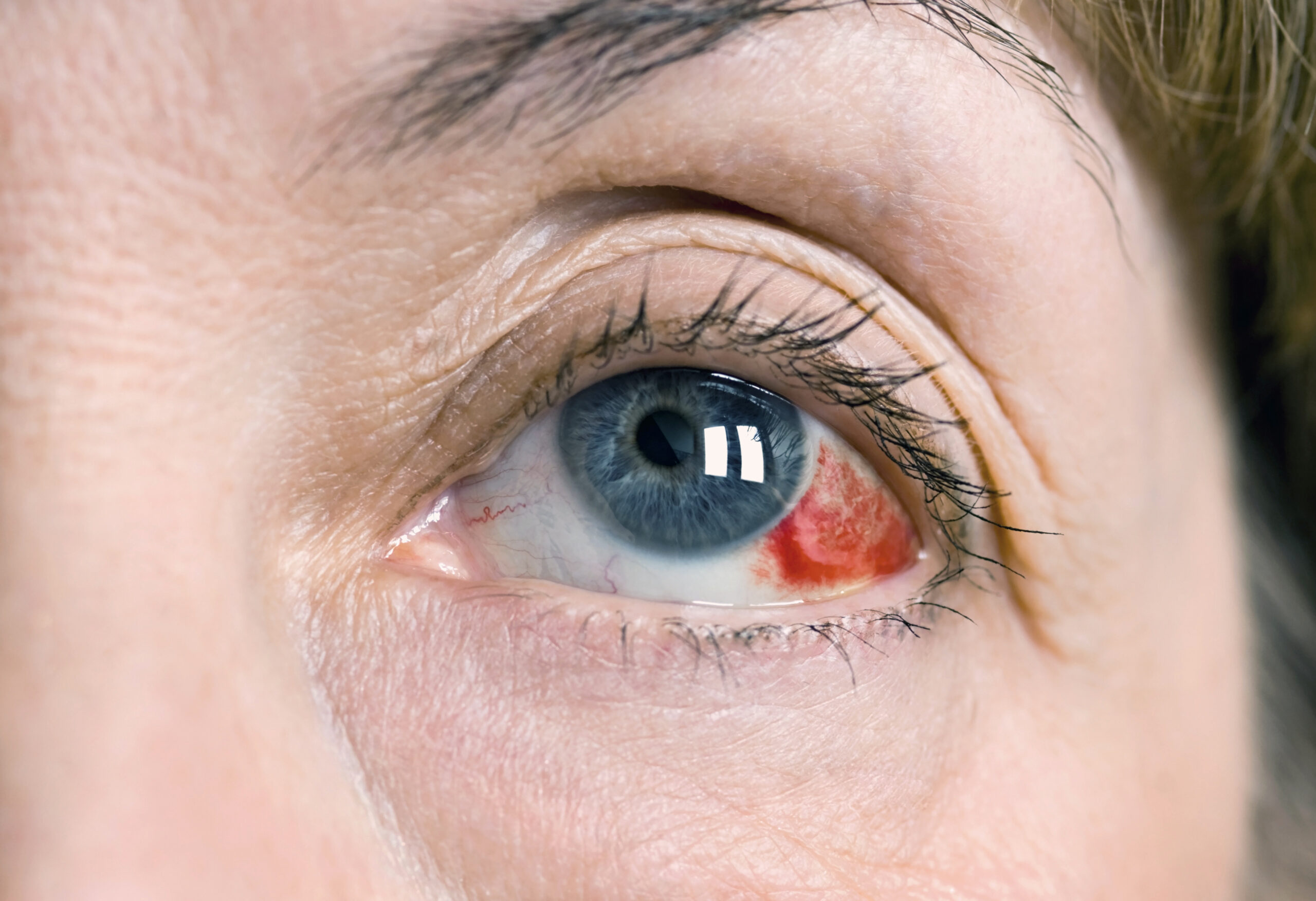
Image source: healthcare.utah.edu
If you live in Bankers Hill or the surrounding community, transition from home care to a professional exam if the redness does not fade after 14 days. Most hemorrhages are benign, but persistent redness can sometimes mask other ocular conditions. EYE EYE San Diego uses advanced diagnostic technology in Bankers Hill to differentiate between harmless hemorrhages and serious ocular pressure issues. We give you peace of mind that your vision is protected.
Independent practices like ours provide personalized vision care to ensure each patient’s needs are met thoroughly. If the redness is accompanied by persistent irritation or a feeling of dryness, a specialized care plan may be necessary. If you have concerns about the appearance of your eye or experience recurring breaks, consult an eye doctor in San Diego to rule out systemic health issues like hypertension. A professional assessment ensures that your eyes are not just recovering from a temporary spot, but are healthy from the surface to the retina.
Frequently asked questions
Is a burst blood vessel in the eye a medical emergency?
In most cases, a subconjunctival hemorrhage is harmless and not an emergency. It becomes an emergency if vision changes, severe pain, or blood pooling over the iris occurs. Trauma-related breaks should always be evaluated by a professional immediately to rule out internal damage to the ocular structure.
How long does it take for a popped blood vessel in the eye to recover?
The body typically reabsorbs the blood within 2 to 3 weeks. The spot will change colors, similar to a bruise on the skin, moving from red to yellow during the recovery process. If there is no improvement after two weeks, a professional exam is recommended to verify the cause.
Can high blood pressure cause recurring broken eye vessels?
Yes, sudden spikes in blood pressure or chronic hypertension can strain fragile capillaries. Recurrent episodes should be discussed with a specialist to rule out systemic health issues. Stable blood pressure management supports long-term ocular vascular health and may help maintain the integrity of these vessels.
Is it safe to wear contact lenses while I have a red spot on my eye?
It is generally best to switch to glasses until the hemorrhage has completely resolved to avoid further irritation. If you must wear them, ensure they are properly fitted and do not cause discomfort. Consult your specialist if you suspect your lenses contributed to the initial break.
If you are experiencing a recurring broken blood vessel or vision changes, it is important to see a professional. Call us at 619-815-5864 or book your appointment online to SEE GOOD All the Time.
This information is for educational purposes only and does not constitute medical advice, diagnosis, or treatment. Always seek the advice of a qualified healthcare provider with any questions regarding a medical condition.