
Last updated September 20, 2026
Sean Kelly is the New Zealand-born designer who grabbed the global spotlight by winning Season 13 of Project Runway. He lives in New York now. His career bridges the gap between technical luxury tailoring and high-level creative direction for brands like Retrofête. We see his work as a masterclass in structural textiles. He focuses relentlessly on the contemporary feminine silhouette.
Table of contents
- Key takeaways
- The Architectural Origins of Sean Kelly
- Project Runway and the Series Concept in New York City
- Creative Direction and the Luxury Ready-to-Wear Era
- Structural Integrity from San Diego to New York Fashion Week
- Navigating the Transition from Independent to Corporate Design
- Frequently asked questions
Key takeaways
- Project Runway Success. Kelly secured his reputation by winning Project Runway Season 13 in 2014.
- Elite Technical Training. His foundation includes prestigious internships at Alexander McQueen and Henrik Vibskov.
- Thematic Framework. The designer utilizes a ‘Series’ conceptual framework for his namesake collections, such as the Caesar-inspired ‘Julius’.
- Luxury Creative Direction. He currently drives creative direction for luxury brands, recently focusing on tropical and opulent motifs for Retrofête.
- Architectural Emphasis. Kelly’s work emphasizes structural integrity, mirroring the craftsmanship found in independent eyewear designers like Yuichi Toyama.
The Architectural Origins of Sean Kelly
Kelly forged his aesthetic through high-level international experience. He left New Plymouth to study in Wellington, New Zealand. His early career included a foundational internship at the house of Alexander McQueen in London. He honed his understanding of avant-garde structure there. He learned the narrative power of a garment. This period taught him how to balance theatricality with precise tailoring, which is the McQueen legacy.
Following his time in London, he did a stint with Henrik Vibskov in Copenhagen. This introduced a Scandinavian appreciation for experimental textiles. Vibskov is known for his multidisciplinary approach. This environment encouraged Kelly to approach fabric as a sculptural medium rather than just a covering for the body. That specific blend of British luxury drama and Danish minimalism prepared him for the high-pressure environment of televised competition.
According to Notjustalabel, he took these internships to build a global perspective before launching his own brand. By the time he entered the spotlight, he possessed a rare technical vocabulary. It separated him from designers who rely solely on mood boards. He understands the "why" behind every seam. This is a trait that continues to define his work.
Project Runway and the Series Concept in New York City
Winning Project Runway Season 13 in 2014 provided Kelly the platform to debut at New York Fashion Week (NYFW). He did not capitalize on his win by moving into mass-market licensing. Instead, he chose a deliberate path. He focused on his namesake label, often stylized as Sen Kelly. He rejected the typical fast-fashion trajectory. He developed a thematic ‘Series’ approach to independent fashion design that prioritizes concept over seasonal trends.
Design Parallel: The way Sean Kelly structures a garment is remarkably similar to how independent eyewear designers approach frame architecture: every line serves a purpose.
Notable collections in this trajectory include ‘Series One: MAN’, ‘Series Two: SLEEP’, and ‘Series Three: Julius’. The Julius collection, shown at Notjustalabel in 2014, drew inspiration from the story of Julius Caesar. He used fringe and sharp tailoring to explore themes of power and vulnerability. At EYE EYE, we see parallels between Kelly’s limited ‘Series’ production and the rare, batch-produced frames from independent eyewear brands like Yuichi Toyama eyewear. Both prioritize the "slow fashion" ethos. Quality outweighs speed.
Kelly strategically moved toward digital presentations for later appearances. He wanted to focus on technical craft rather than the spectacle of the runway. This allowed him to maintain his presence in the NYC fashion scene while avoiding what he called the "circus" of traditional shows, as noted in his swift ascent through the industry. Much like the Sean Brown designer milestones, Kelly’s career represents a careful curation of artistic identity.
Creative Direction and the Luxury Ready-to-Wear Era
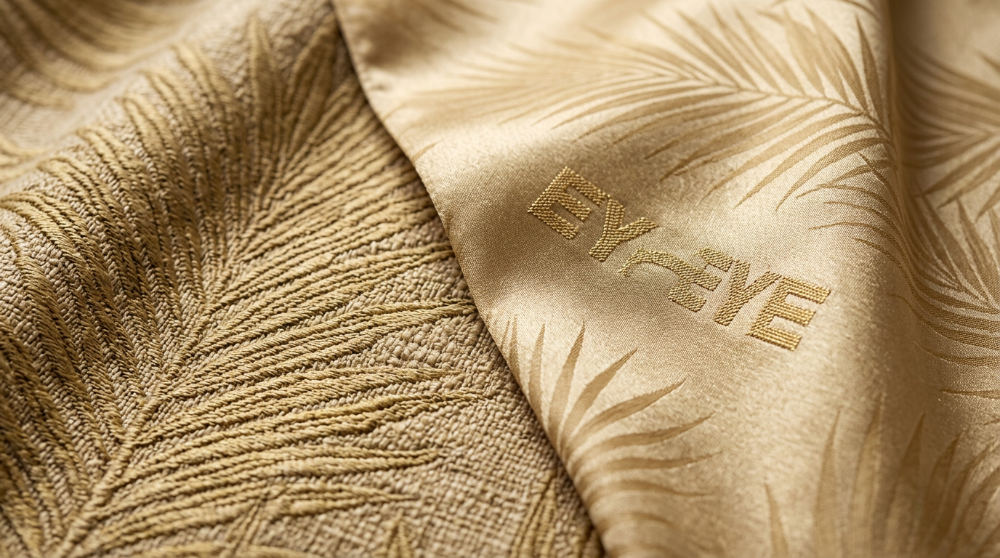
Kelly moved from an independent namesake label to become a pivotal force in creative direction for established luxury brands. This move allowed him to apply his structural expertise to a broader audience. He now manages the complexities of global supply chains and large design teams. His work as a designer for Retrofête demonstrates his evolution toward high-octane glamour.
Style Tip: To complement the tropical and bold textures of Kelly’s recent work, look for frames with organic textures or architectural silhouettes that offer visual balance.
The Sean Kelly Portfolio highlights how he uses tropical palm motifs, bold snakeskin textures, and earthy sand tones to redefine modern luxury. These design choices blend opulence with a relaxed, vacation-ready sensibility. Managing these projects requires a balance of signature structural tailoring and the commercial needs of a global luxury audience. Each piece must be as functional as it is beautiful.
This evolution highlights his ability to adapt intricate textile work into wearable statements. Whether it is a sequined cocktail dress or a tailored jacket, the focus remains on the silhouette. Kelly’s ability to pivot from avant-garde themes to commercial success demonstrates his versatility. He is a true practitioner of the craft.
Structural Integrity from San Diego to New York Fashion Week
The ‘contemporary working woman’ aesthetic requires professional frame styling to complete a cohesive look. A well-tailored suit or a draped silk dress loses its impact if the accessories are low quality. Just as Kelly obsesses over the fall of a fabric, boutique eyewear designers focus on the bridge, the hinge, and the weight distribution of a frame.
EYE EYE San Diego’s handpicked independent frames echo the structural integrity seen in Kelly’s most iconic garments. We believe that choosing independent design is about more than aesthetics. It is about supporting creators who prioritize quality over mass production. When you explore independent designer frames, you are looking for the same intentionality Kelly puts into his "Julius" series.
For San Diego residents who value a distinct aesthetic, aligning high-fashion apparel with unique eyewear is essential. A frame is not just a tool for vision. It is a prominent feature of your personal style. By selecting brands that share Kelly’s dedication to form and function, you ensure your aesthetic remains consistent.
Navigating the Transition from Independent to Corporate Design
The primary challenge for designers like Kelly is maintaining a unique voice while scaling within the luxury market. Moving from a boutique operation to a major brand like Retrofête involves a shift in priorities. Fans of his early independent work may find his collaborative collections more trend-focused. This is the reality of the modern fashion ecosystem.
While his eponymous label offered pure artistic expression, his work for established brands demonstrates the commercial viability of his structural concepts. Understanding this career shift helps enthusiasts appreciate the complexity of the industry. A designer must be both an artist and a strategist. Whether he is creating a bespoke gown or directing a seasonal campaign, the focus remains on the marriage of form and function.
If you are inspired by the technical precision of modern designers, consider how your eyewear reflects those same values. We recommend choosing independent frames over mass-market brands to maintain that structural edge. You can book a styling appointment with us to find a pair that mirrors the architectural spirit of contemporary fashion. For further assistance, call 619-815-5864 or visit our location at 2765 Fifth Ave, San Diego, CA, 92103.
Frequently asked questions
What is Sean Kelly from Project Runway doing now?
He currently serves in high-level creative direction and design roles for luxury ready-to-wear brands. Most notably, he has been heavily involved in the aesthetic development and design execution of collections for the brand Retrofête, moving his focus toward high-end commercial luxury.
Where is Sean Kelly the designer from?
Kelly was born in New Plymouth, New Zealand. He began his journey in fashion by studying in Wellington before moving to Europe for prestigious internships and eventually settling in New York City, where he established his professional career.
What brands does Sean Kelly design for?
He has his own namesake label, Sean Kelly (often stylized as Sen Kelly), which focuses on thematic collections. He has also provided creative direction and design expertise for the contemporary luxury brand Retrofête, influencing their recent seasonal aesthetics.
What defines Sean Kelly’s ‘Series’ collection approach?
It is a conceptual method where each collection explores a specific theme, such as ‘MAN’, ‘SLEEP’, or ‘Julius’. This approach allows for deep thematic consistency and focuses on the architectural build of the clothing rather than following fleeting market trends.
Is Sean Kelly eyewear available in independent boutiques?
While Kelly does not have a dedicated eyewear line, his design philosophy is frequently cited by independent frame stylists. Boutiques like EYE EYE carry independent brands like Yuichi Toyama that share his commitment to structural integrity and architectural design.
This information is for educational purposes only. For specific fashion or styling advice, please consult with a professional stylist or vision care expert.